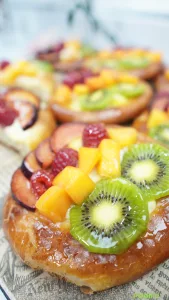
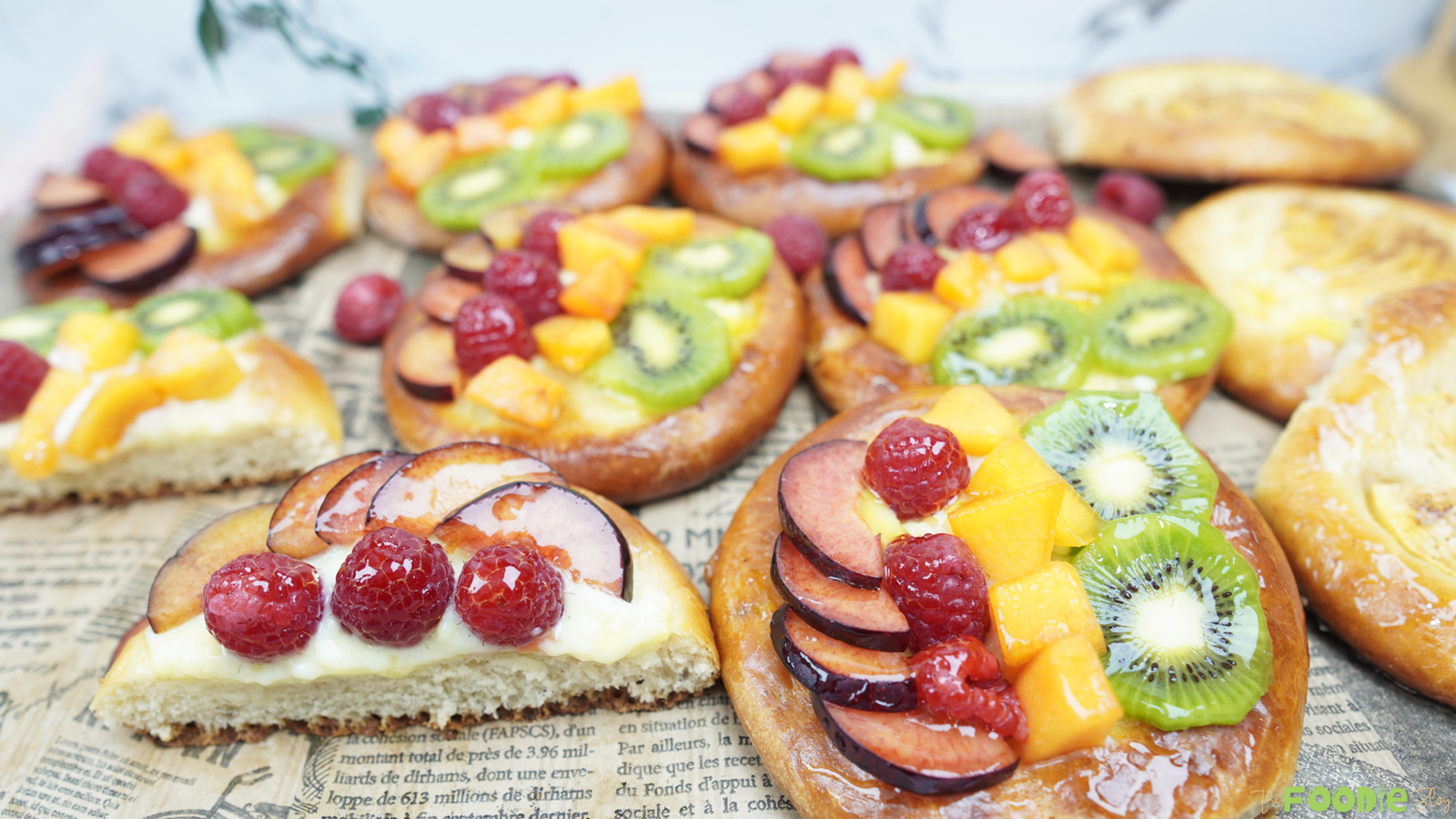
This Fresh Fruit Brioche Recipe makes soft, bakery-style buns topped with creamy pastry cream, tender baked apples, colorful fresh fruit, and a glossy apricot finish.
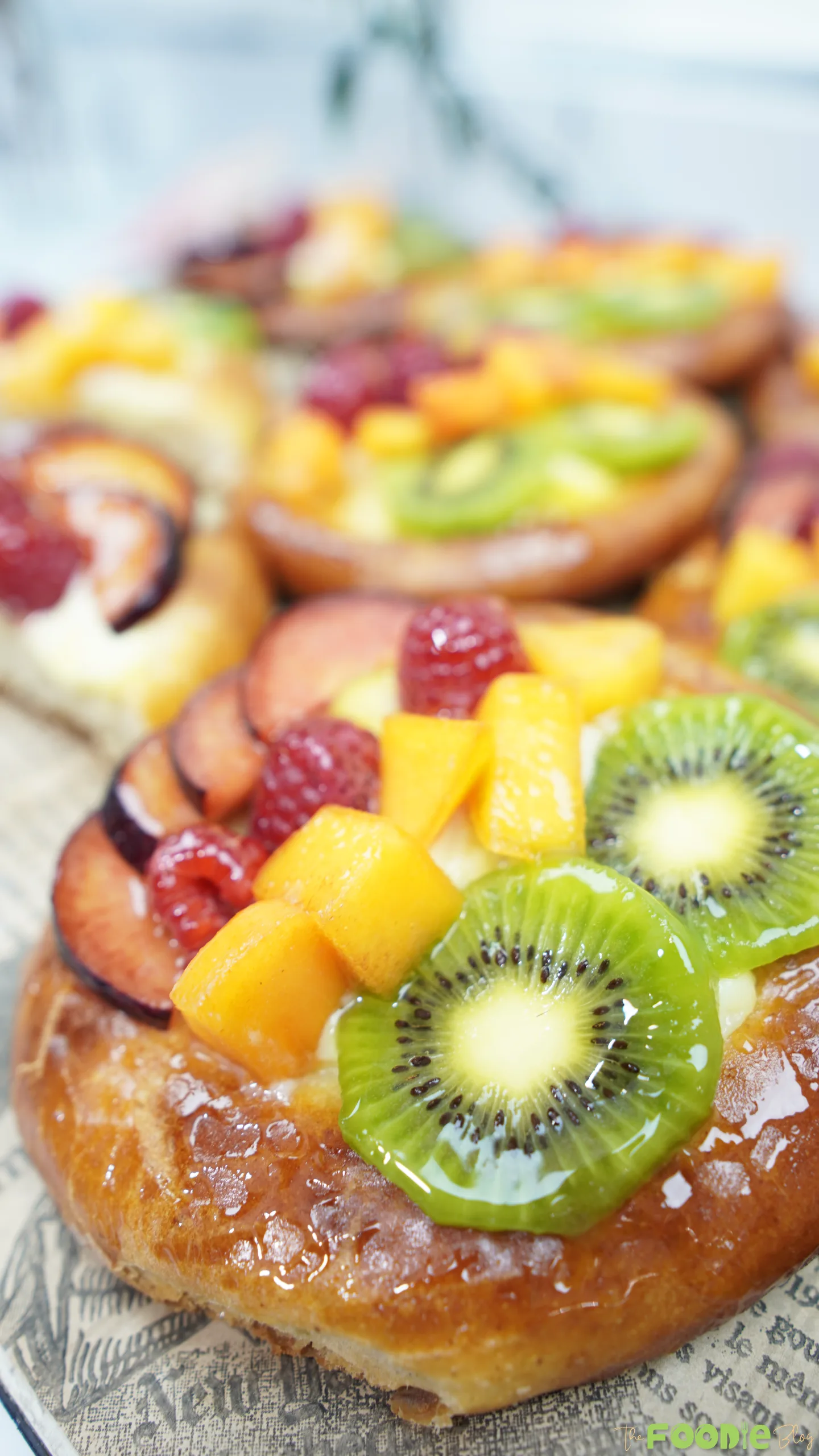
The cinnamon-honey brioche dough is rich and tender, but the recipe is easier than it looks when you work in stages. First, the dough is mixed and allowed to rise, then each bun is shaped and filled with pastry cream and thin apple slices before baking.
Once the brioche has cooled completely, fresh kiwi, persimmon, berries, and plums are arranged on top and finished with a light apricot glaze for that classic bakery-style shine.
If you want to practice the dough side first, my Soft Homemade Brioche Bread is a great place to start, while these Chocolate Brioche Buns turn the same bakery-style idea into a chocolate-filled treat.
For even more fruit, my Fresh Fruit Salad is an easy way to use up any extra kiwi or berries from decorating, and I love serving these buns with a mug of Homemade Hot Chocolate when they’re part of a brunch spread.
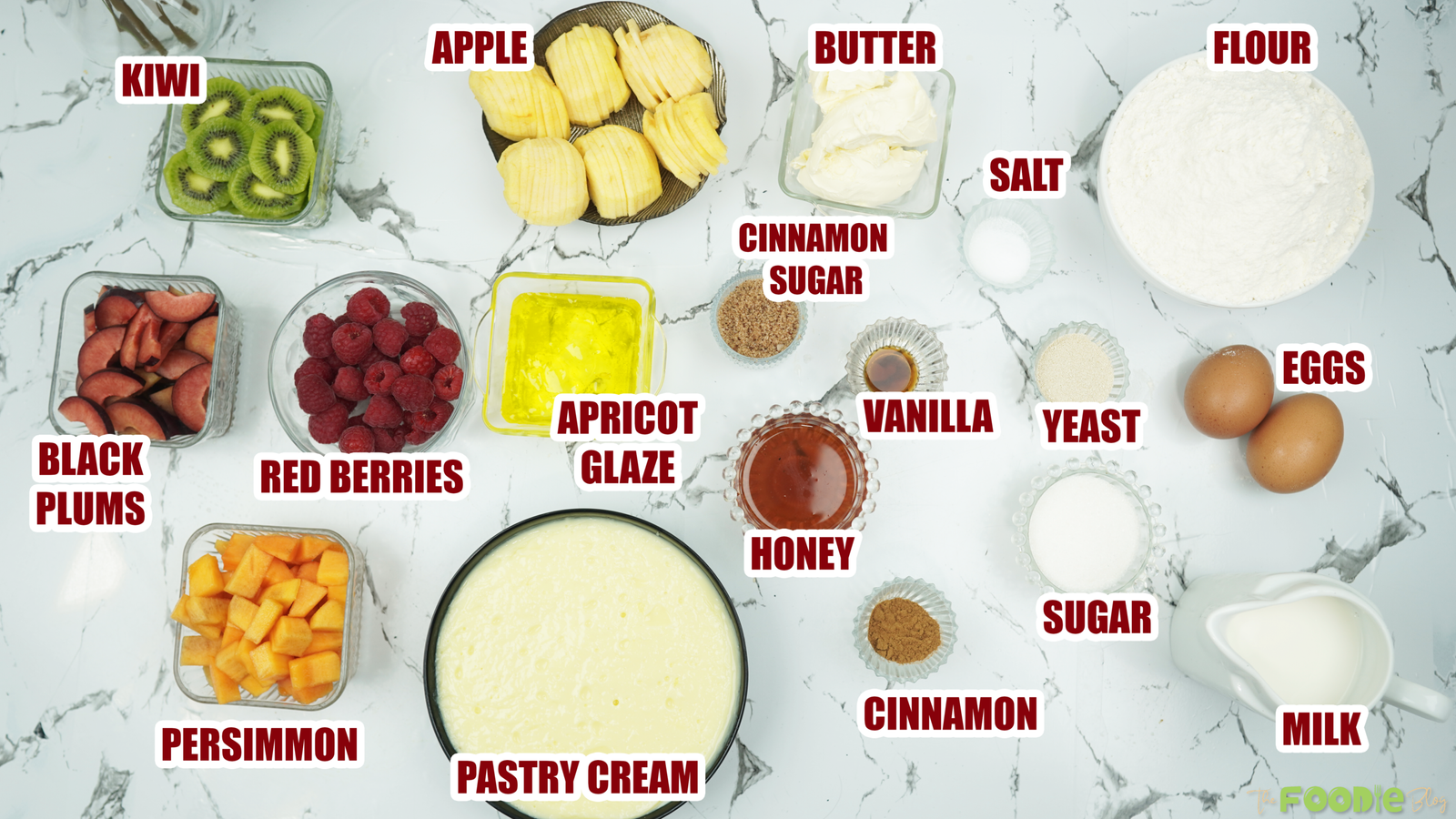
Ingredients For Fresh Fruit Brioche Recipe
Let’s Make Fresh Fruit Brioche
- Activate the yeast. In a bowl, combine warm milk and sugar, then stir in the yeast. Let sit until foamy, about 5–10 minutes.
- Mix the wet ingredients. Whisk in honey, eggs, and vanilla until smooth.
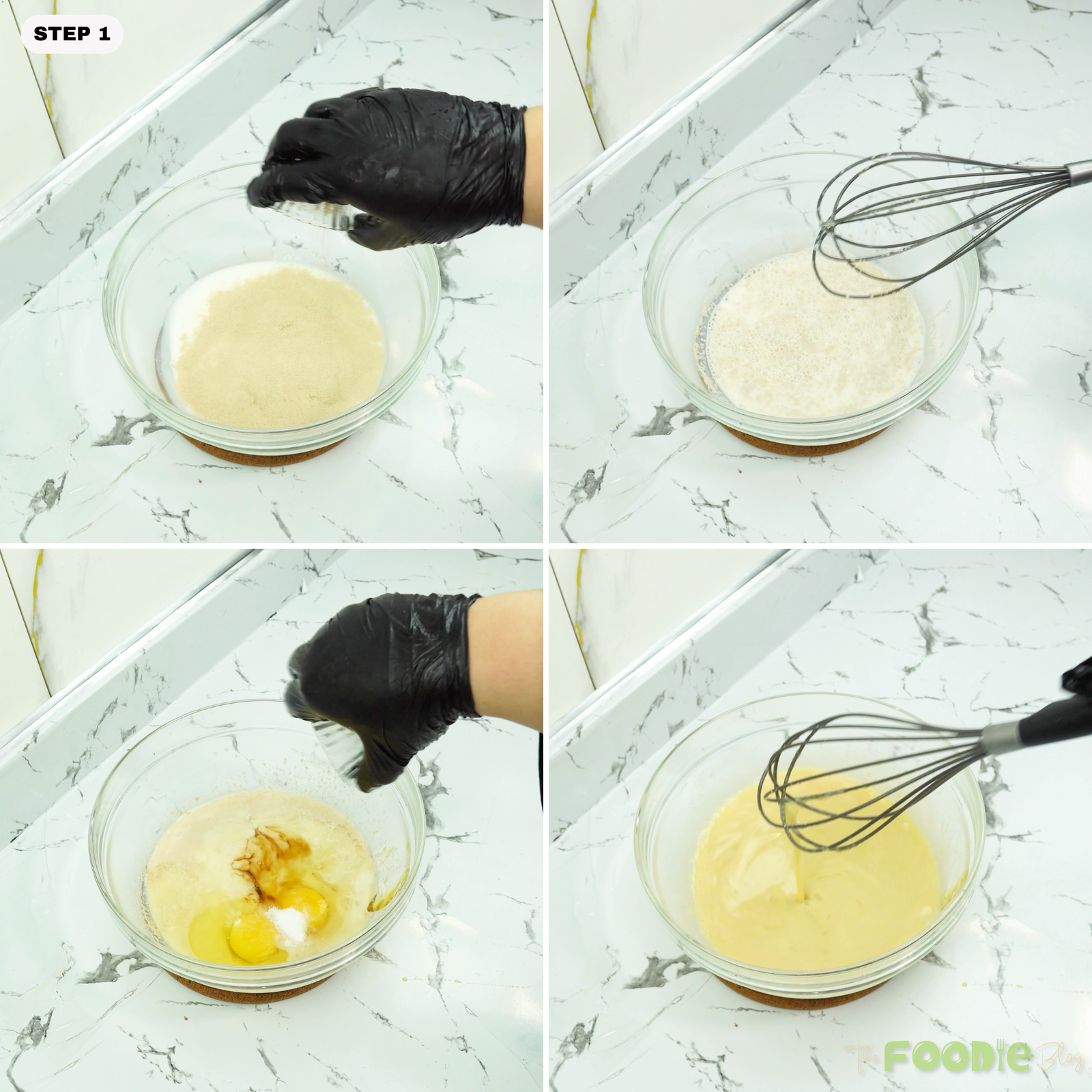
- Add dry ingredients. Add salt, cinnamon, and flour. Mix until a shaggy dough forms.
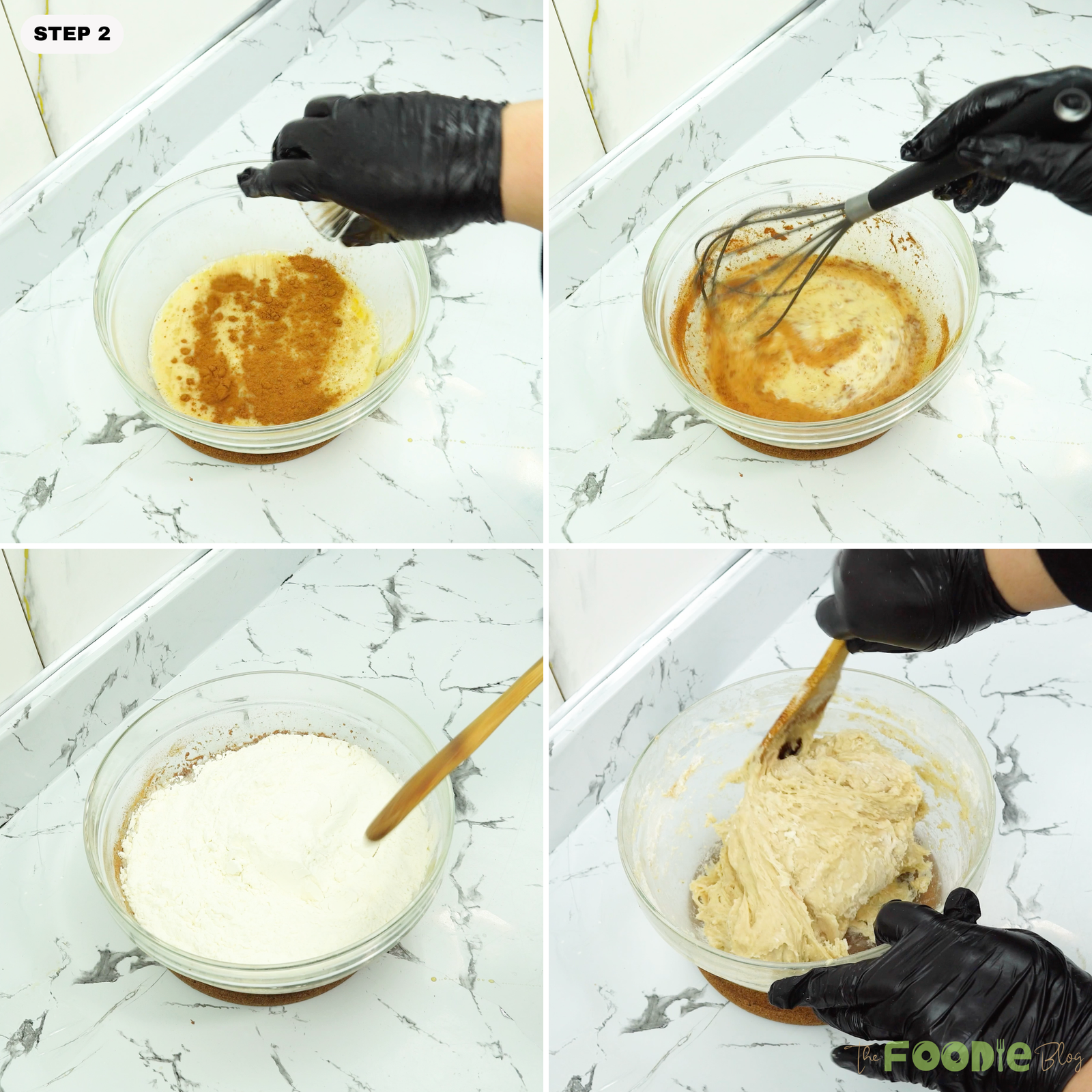
- Knead and add butter. Knead until the dough starts to smooth out, then work in softened butter a little at a time until fully incorporated and the dough is elastic.
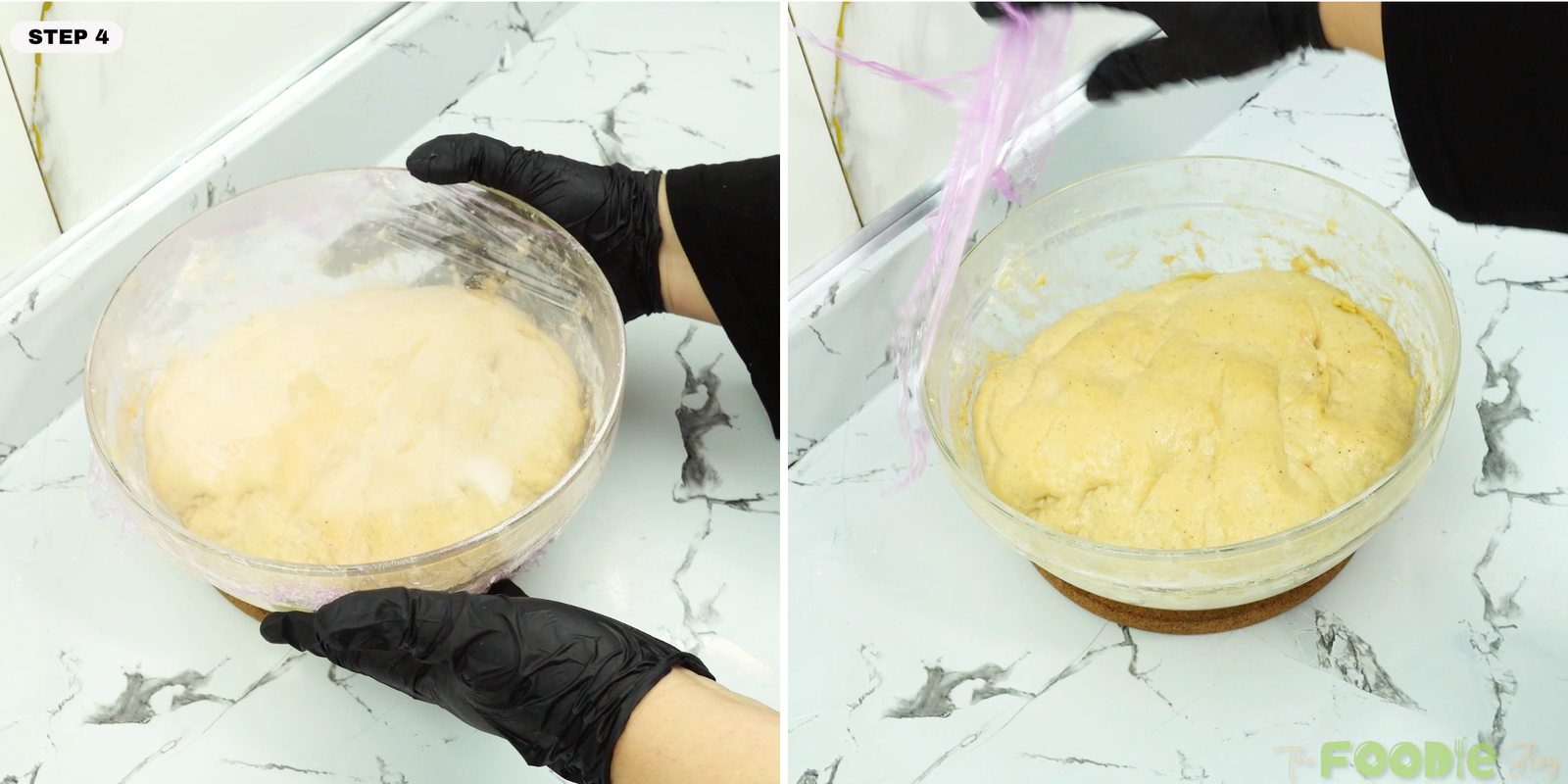
- First rise. Cover the bowl and let the dough rise until doubled, about 60–90 minutes (warm spot = faster).
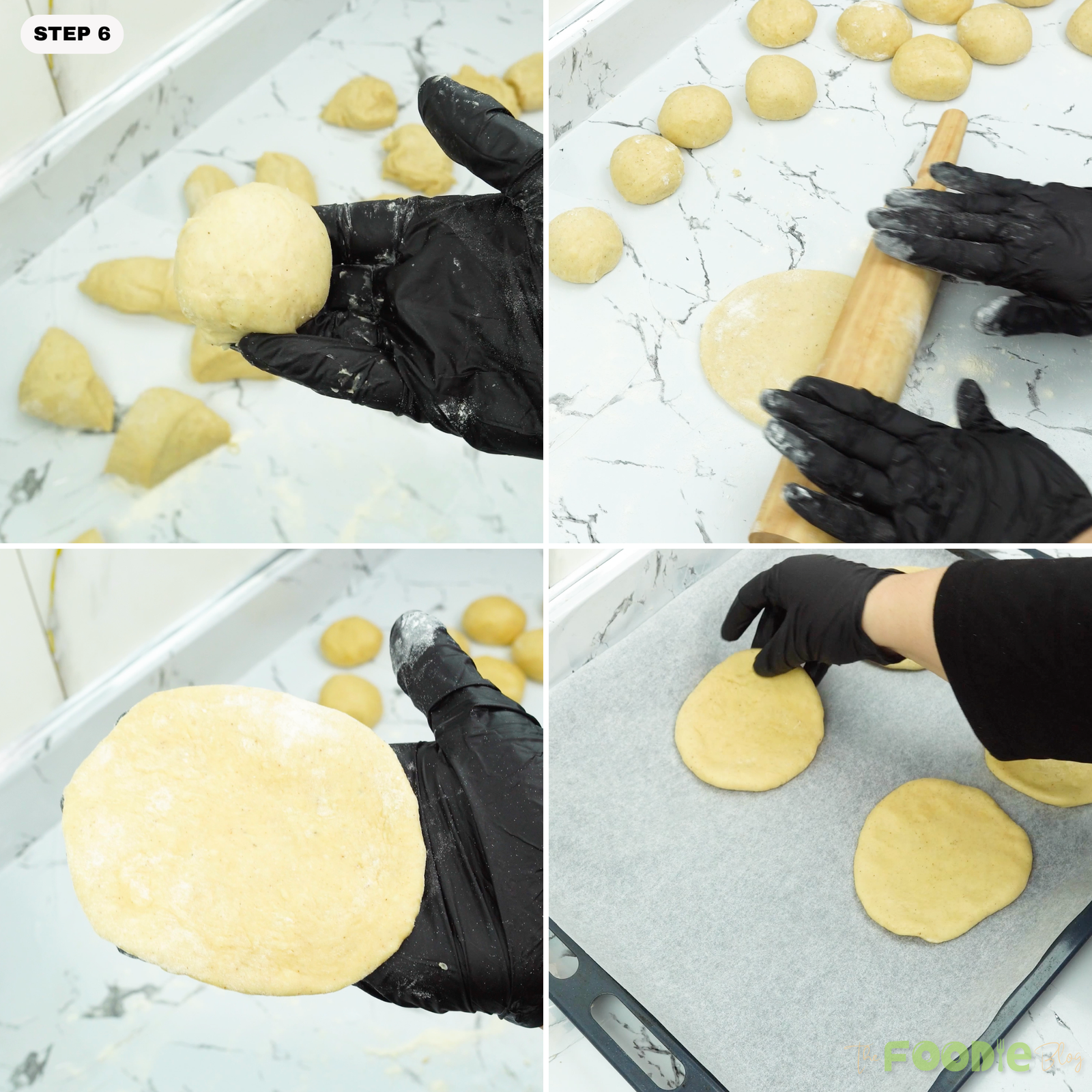
- Divide and shape. Turn dough out, divide into equal portions, roll into balls, then flatten each into a thick round.
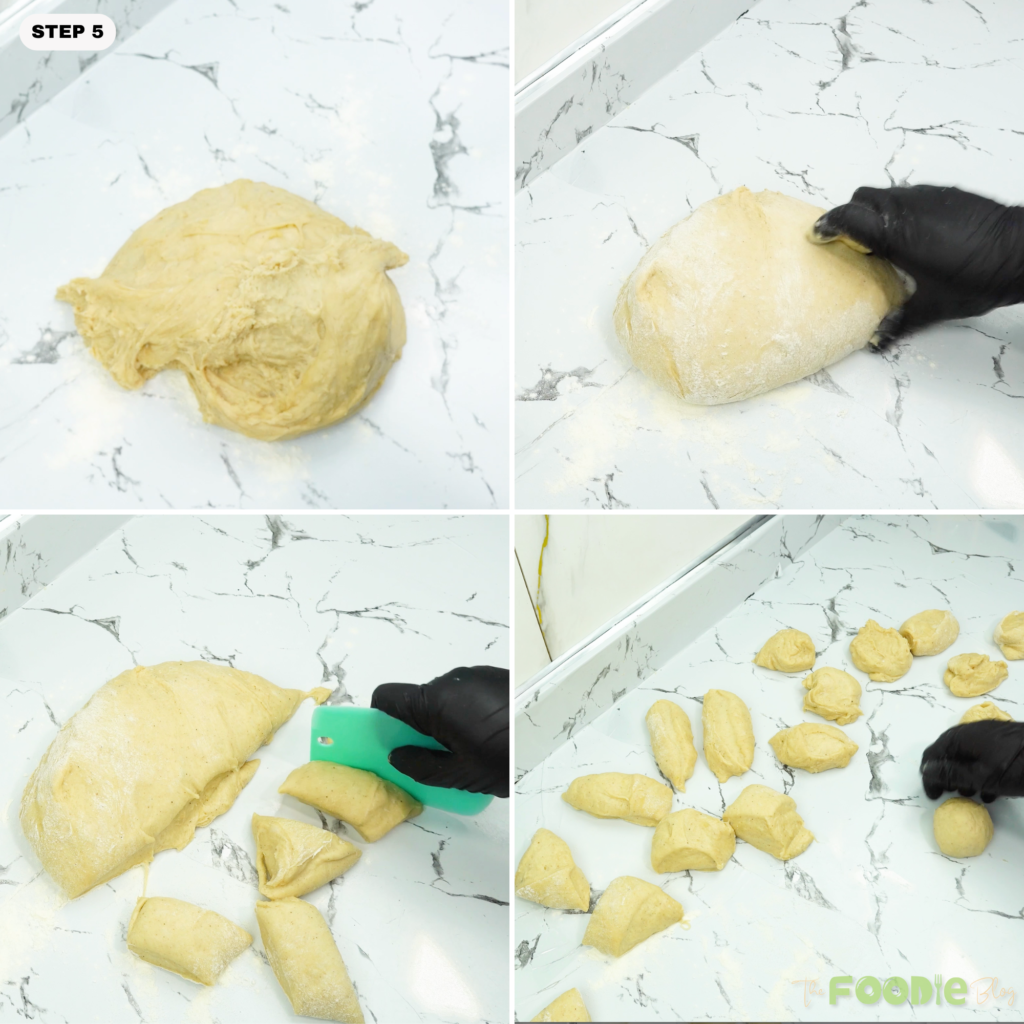
- Place on parchment-lined baking sheets.
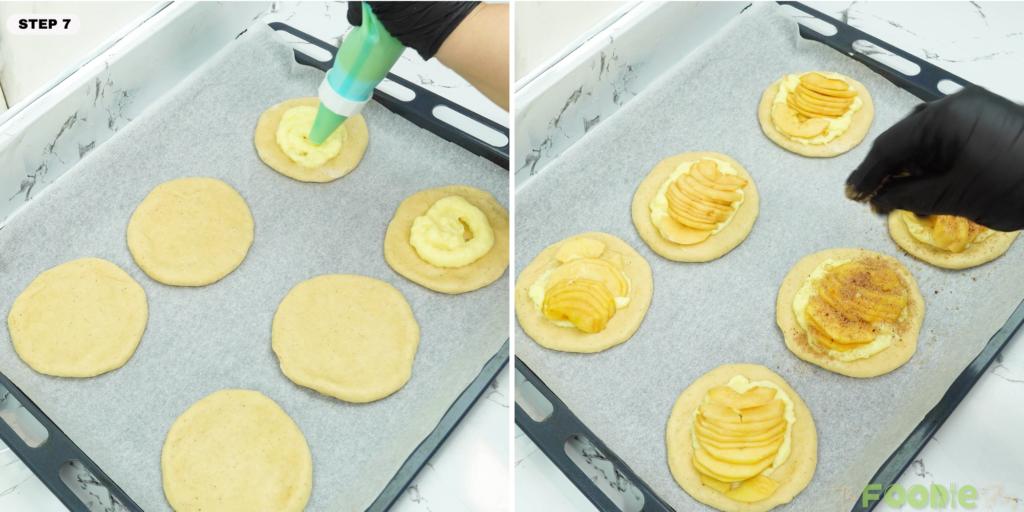
- Add cream and apples. Pipe/spoon pastry cream into the center, top with thin apple slices, then sprinkle with cinnamon sugar.
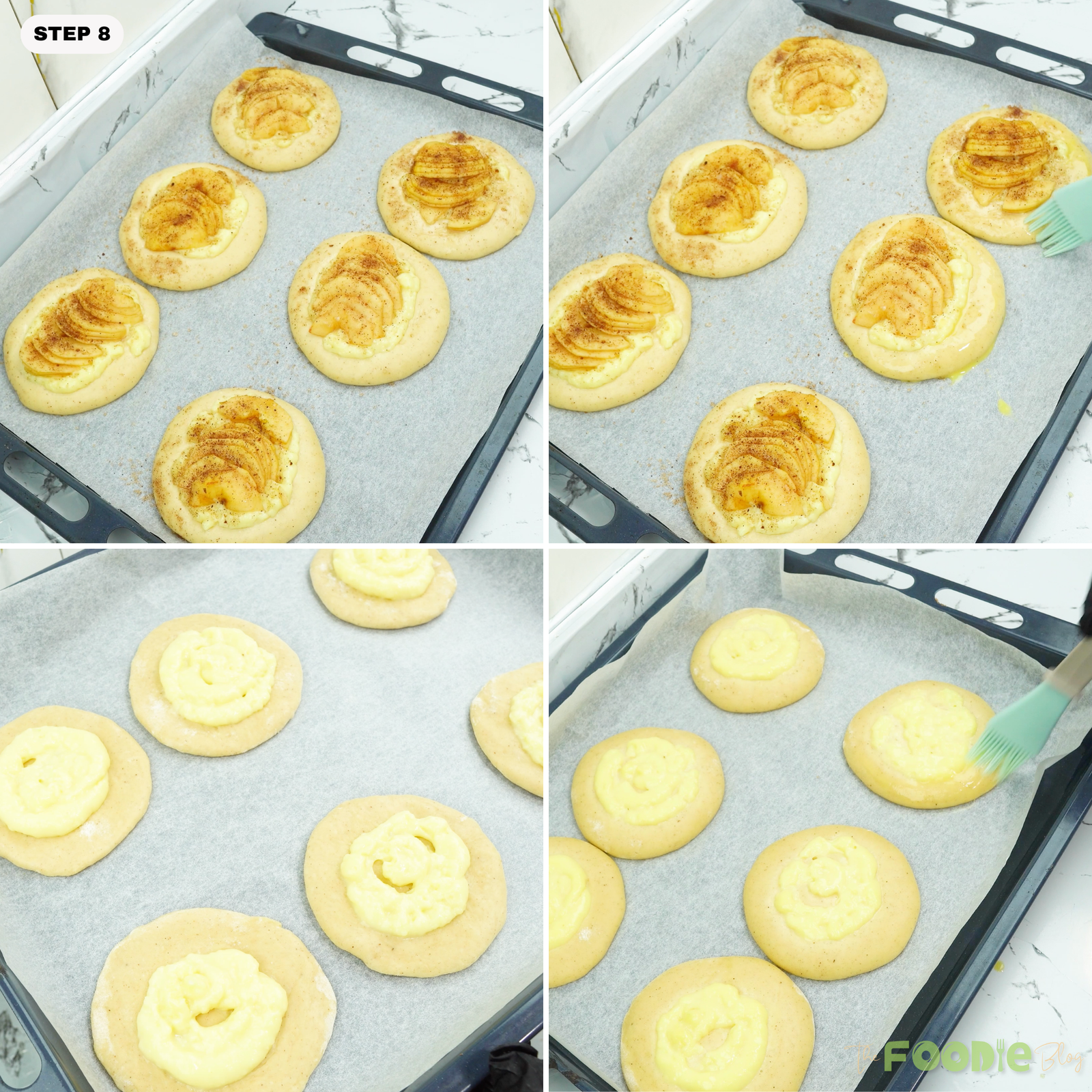
- Proof. Let the shaped brioche rise again until puffy, about 20–35 minutes.
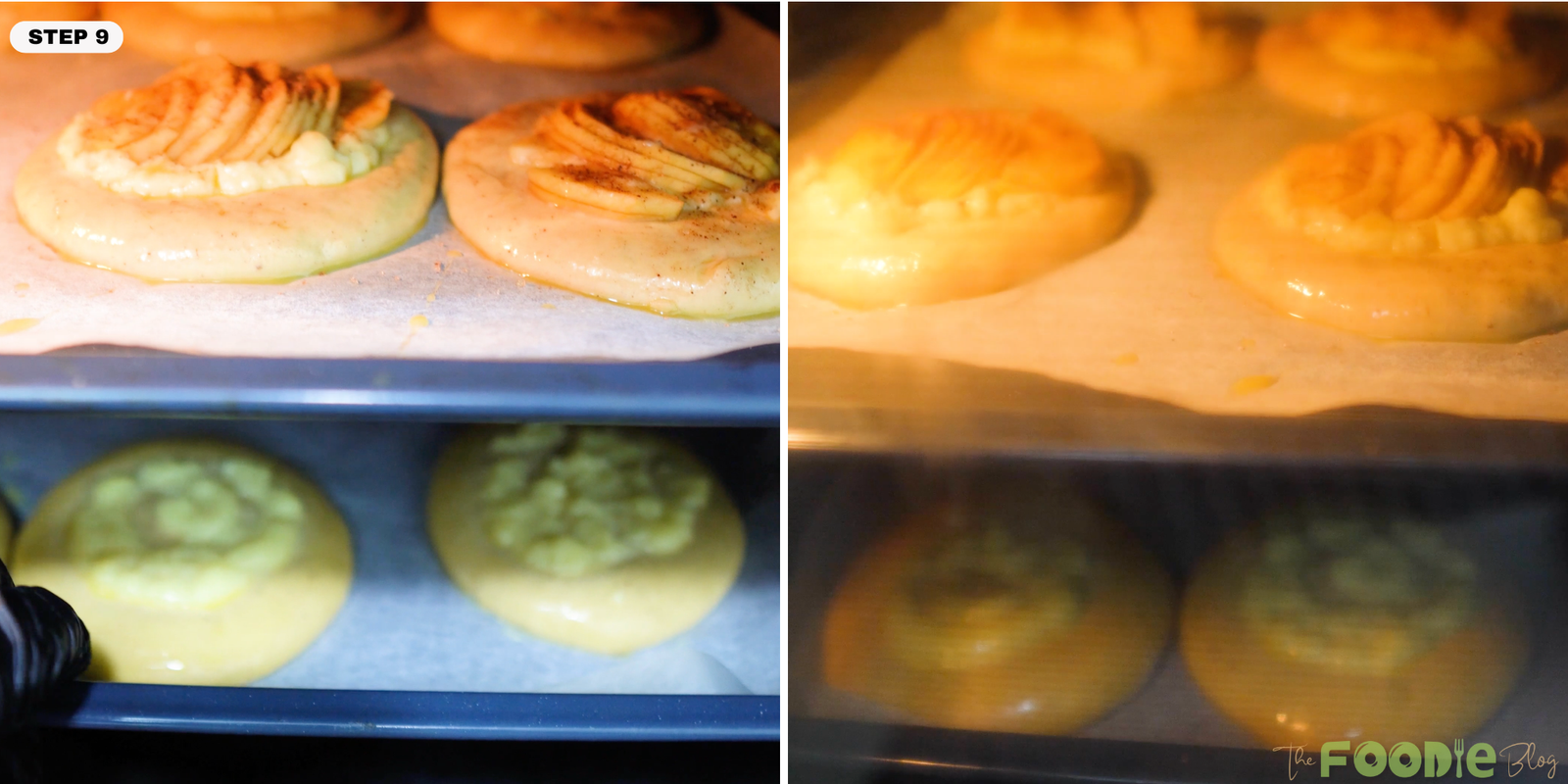
- Bake. Bake at 350°F (175°C) until golden brown, about 15–20 minutes. Cool completely.
- Decorate and glaze. Once the brioche has cooled completely, add a little extra pastry cream if desired and arrange the kiwi, persimmon, berries, and plum slices on top. Gently warm the apricot glaze until it is easy to brush, then brush a thin layer over the fruit for a glossy finish without letting it run down the sides.
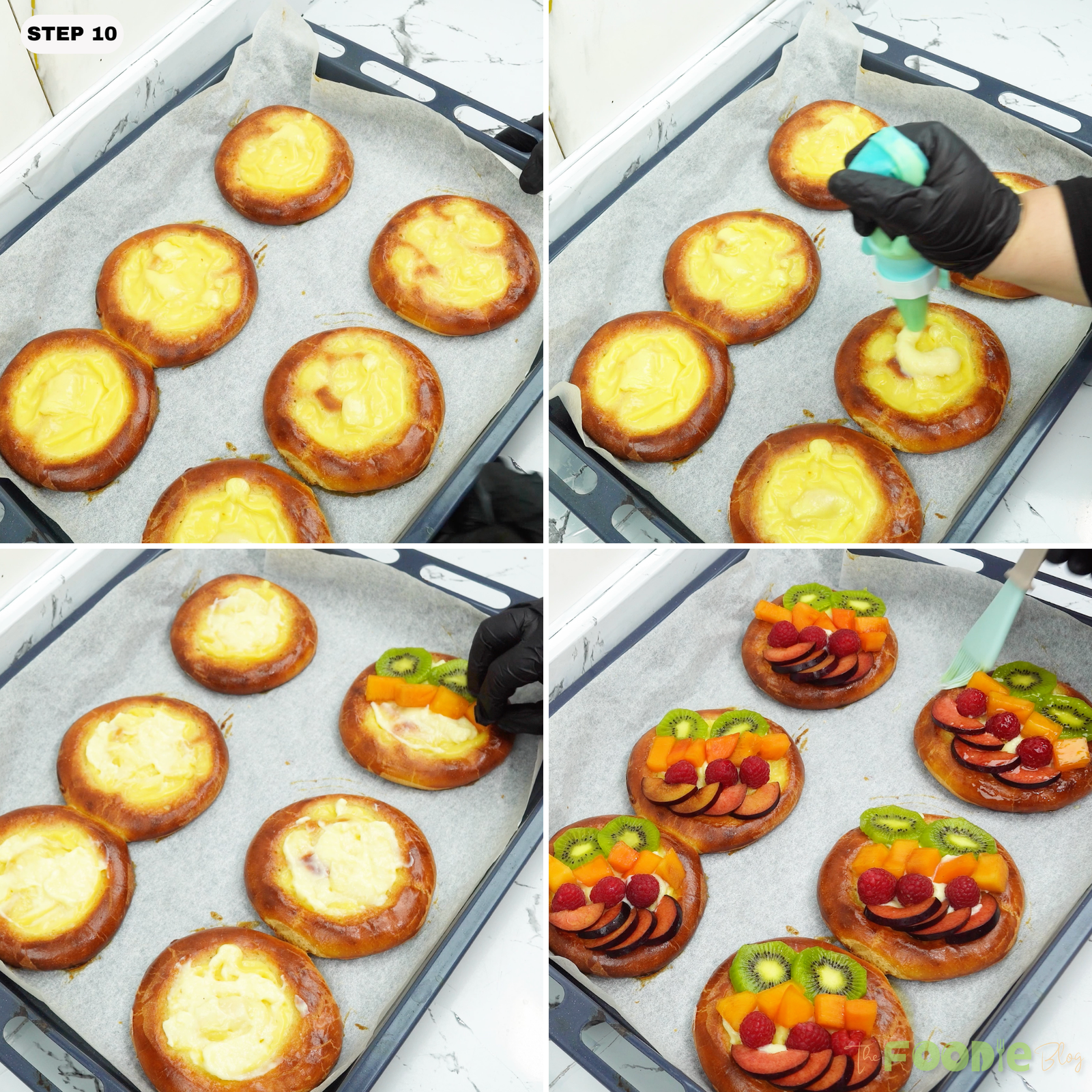
Warmed jam or jelly is commonly used to give fruit desserts a glossy finish. King Arthur Baking’s guide to glazing fresh fruit also recommends applying glaze only after the dessert base has cooled.
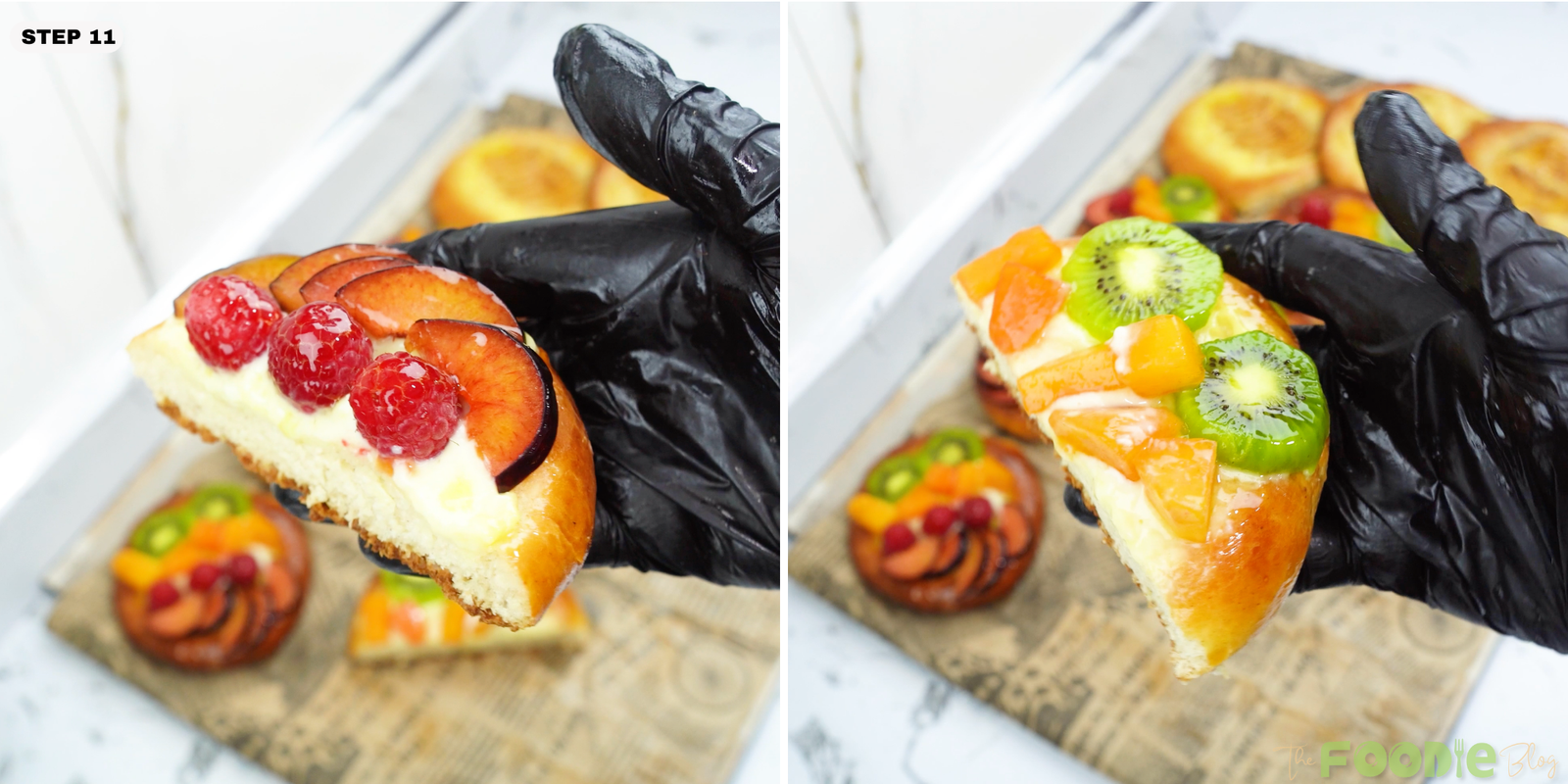
Can I Make Smaller Brioche Buns?
Yes. Divide the dough into smaller portions and begin checking them earlier, since smaller brioche buns will bake faster. They are ready when deeply golden and baked through.
Important Tips for Soft Fresh Fruit Brioche Recipe
The butter must be soft enough to blend into the dough but not melted. Add it gradually rather than placing the full amount into the bowl at once.
Do not add excessive flour just because the dough feels sticky at the beginning. The texture should improve as the dough is kneaded and the butter becomes fully incorporated.
Watch the dough rather than relying only on fixed rising times. The first rise is complete when the dough looks airy and has approximately doubled, while the shaped buns should look noticeably puffy before baking.
Keep the pastry cream in the center of each bun and leave a visible dough rim. Overfilling can cause the cream to spread onto the baking sheet.
Allow the baked buns to cool completely before decorating them. Fresh fruit and cold pastry cream should never be placed over hot brioche.
Add the fruit as close to serving as practical. Cut fruit releases moisture over time and can soften the pastry cream and brioche.
Common Mistakes to Avoid
- Using Milk That Is Too Hot
Very hot milk can damage the yeast. Use warm milk that is not steaming.
- Using Inactive Yeast
The yeast mixture should show visible activity before the remaining ingredients are added. Old yeast may result in dense buns.
- Adding the Butter Too Early
Develop the dough slightly before adding the butter. Adding all the fat immediately can slow gluten development.
- Adding All the Butter at Once
Large amounts of butter are harder to incorporate evenly. Add softened butter gradually.
- Adding Too Much Flour
Extra flour can make the brioche dry and dense. Allow the dough time to become smoother through kneading.
- Stopping the Kneading Too Soon
The dough should become elastic and cohesive before the first rise. Underdeveloped dough may spread instead of holding its shape.
- Following Rise Times Too Strictly
Room temperature affects fermentation. Use the appearance and feel of the dough to judge when each rise is complete.
- Dividing Uneven Portions
Different-sized buns bake at different speeds. Weigh the portions when possible.
- Flattening the Buns Completely
Leave a slightly raised outer edge to hold the pastry cream and apples.
- Using Too Much Pastry Cream
Overfilling can weigh down the centers and cause the cream to overflow.
- Cutting the Apples Too Thick
Thick apple slices may not soften during the short baking time. Use thin, even slices.
- Decorating Warm Brioche
Warm buns can loosen the pastry cream and cause the fruit to slide. Cool them completely first.
- Using Wet Fruit
Water and fruit juice can thin the pastry cream and make the surface soggy. Dry every piece carefully.
- Applying Too Much Glaze
A thick layer makes the brioche sticky and can cover the natural appearance of the fruit. Brush on only enough to create shine.
- Adding Fresh Fruit Too Early
Cut fruit gradually releases moisture. Add it closer to serving for the best appearance and texture.
FAQs
Yes. After the first rise, cover and refrigerate the dough overnight. The next day, shape the buns, add the pastry cream and apple slices, and let them proof until puffy before baking. Add the fresh fruit and glaze after the buns have cooled completely.
No. The apples add flavor and a soft baked-fruit layer, but you can make the buns with pastry cream alone before adding the fresh fruit after baking.
Brioche dough is naturally sticky at first. Continue kneading as the butter becomes fully incorporated instead of adding too much extra flour.
Yes. Whisk it until smooth before piping or spooning it onto the brioche.
Let the brioche cool completely, use thick pastry cream, and dry the fruit well before arranging it. A thin layer of apricot glaze also helps hold the fruit in place.
Serve the buns slightly chilled or at cool room temperature, ideally the same day the fresh fruit is added.
More Recipes You Will Like :
Fresh Fruit Brioche Recipe
Ingredients
Equipment
Method
- Combine warm milk and sugar in a bowl. Stir in yeast and let stand 5–10 minutes until foamy.
- Whisk in honey, eggs, and vanilla.
- Add salt, cinnamon, and flour. Mix until a shaggy dough forms.
- Knead until smoother, then add softened butter gradually and knead until elastic and fully incorporated.
- Cover and let rise until doubled, 60–90 minutes.
- Divide dough into 10 pieces, roll into balls, and flatten into thick rounds on parchment-lined baking sheets.
- Pipe/spoon pastry cream into the center. Top with thin apple slices and sprinkle with cinnamon sugar.
- Let proof until puffy, 20–35 minutes.
- Bake at 350°F (175°C) for 15–20 minutes until deep golden. Cool completely.
- Add a little extra pastry cream if desired, decorate with kiwi, persimmon, berries, and plum slices, then brush fruit lightly with warmed apricot glaze.
Nutrition
Video
Notes
- Keep milk warm (about 105°F–110°F) so the yeast activates properly.
- If dough feels too soft, chill it 10–15 minutes before shaping.
- Pat fruit dry before topping so the cream stays thick.
- Swap apricot glaze with warmed apple jelly or a neutral glaze.
- Store assembled buns chilled up to 2 days; freeze baked bases (no cream/fruit) up to 2 months.
Tried this recipe?
Let us know how it was!Estimated reading time: 9 minutes