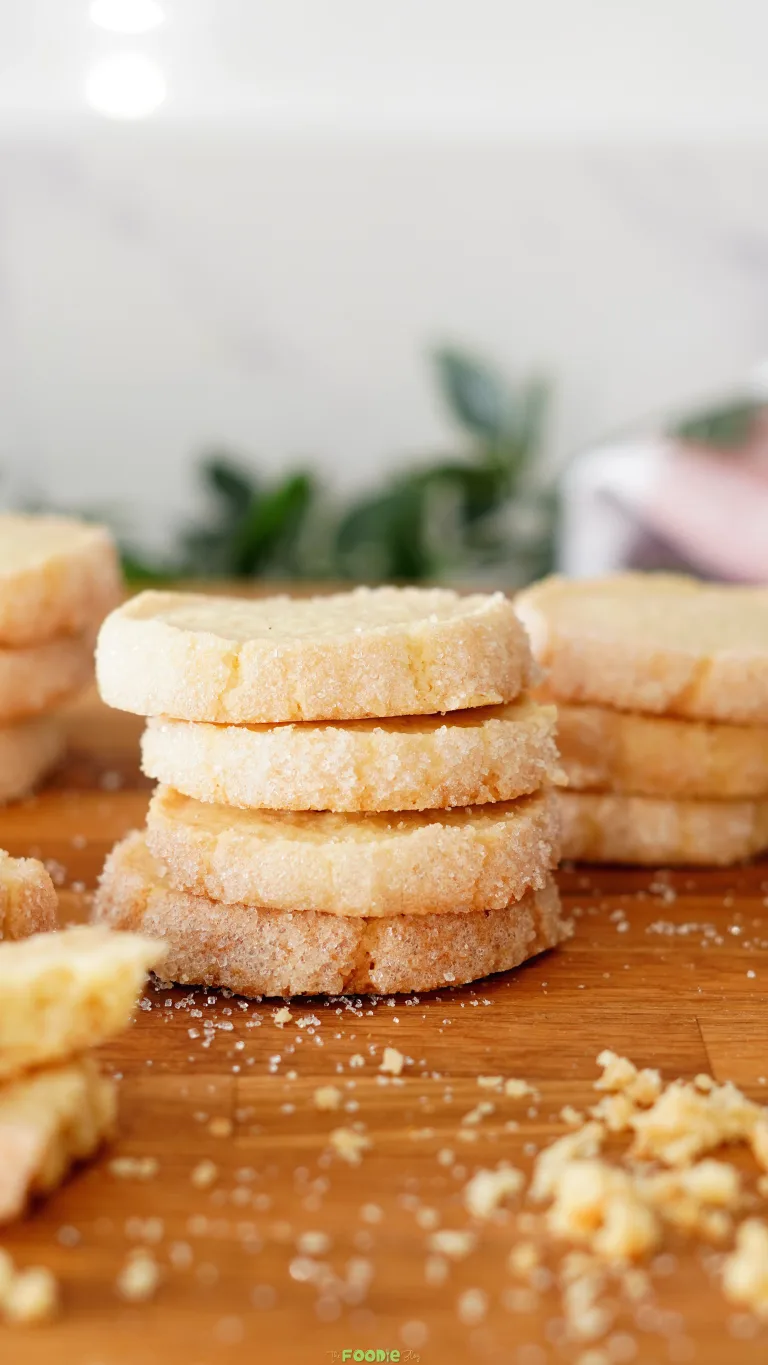
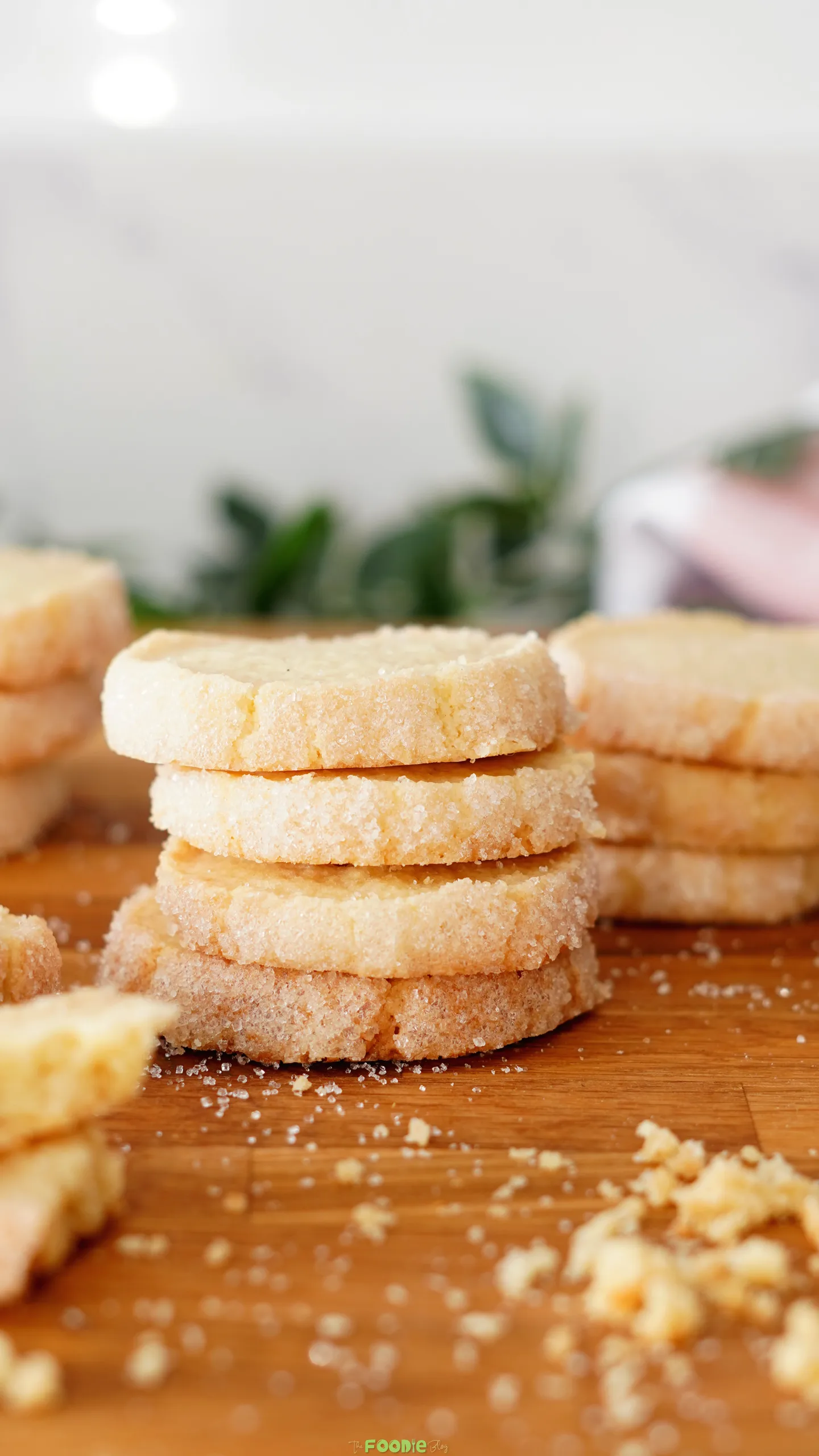
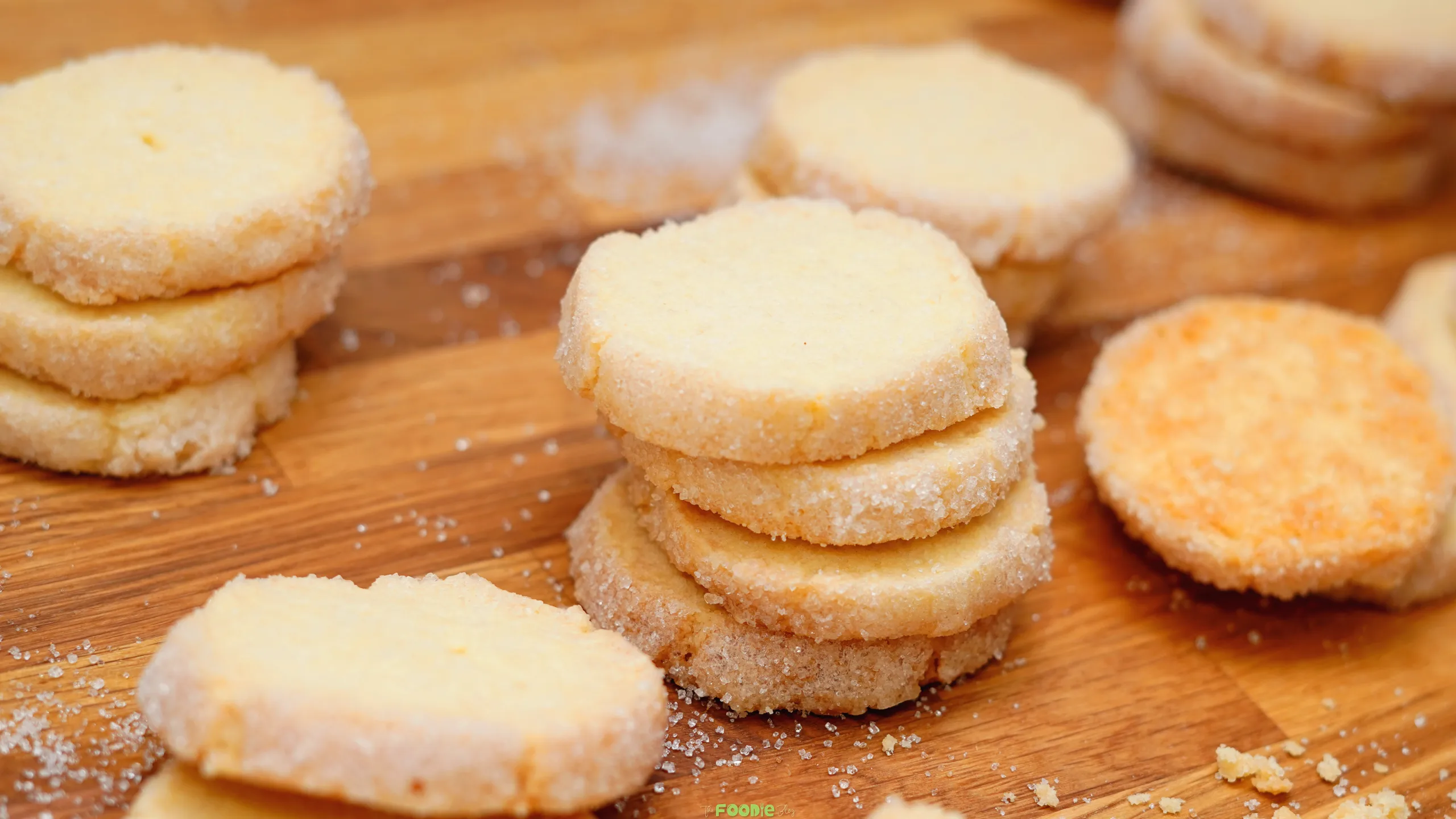
These French sable cookies are buttery, crisp around the edges, and tender in the center with that delicate, sandy crumb sablés are known for. The dough is flavored with vanilla, shaped into a log, coated in sparkling sugar, then sliced into neat rounds before baking.
They’re simple enough for an afternoon bake but pretty enough for a cookie platter. If you enjoy buttery cookies, try my Classic Shortbread Cookies or Easy 3-Ingredient Butter Cookies. For another French-style cookie, my Galettes Bretonnes are crisp and golden, and these sablés are especially good with a mug of Homemade Hot Chocolate.
What Are French Sable Cookies?
French sablé cookies are rich butter cookies with a delicate, crumbly texture.
Unlike chewy cookies, there are no eggs and no leavening in this recipe. The structure comes mainly from butter, sugar, and flour.
This version is formed into a log, rolled in coarse sugar, chilled, then sliced into rounds. That gives every cookie an even shape with a crisp, sparkling sugar edge.
Table of contents
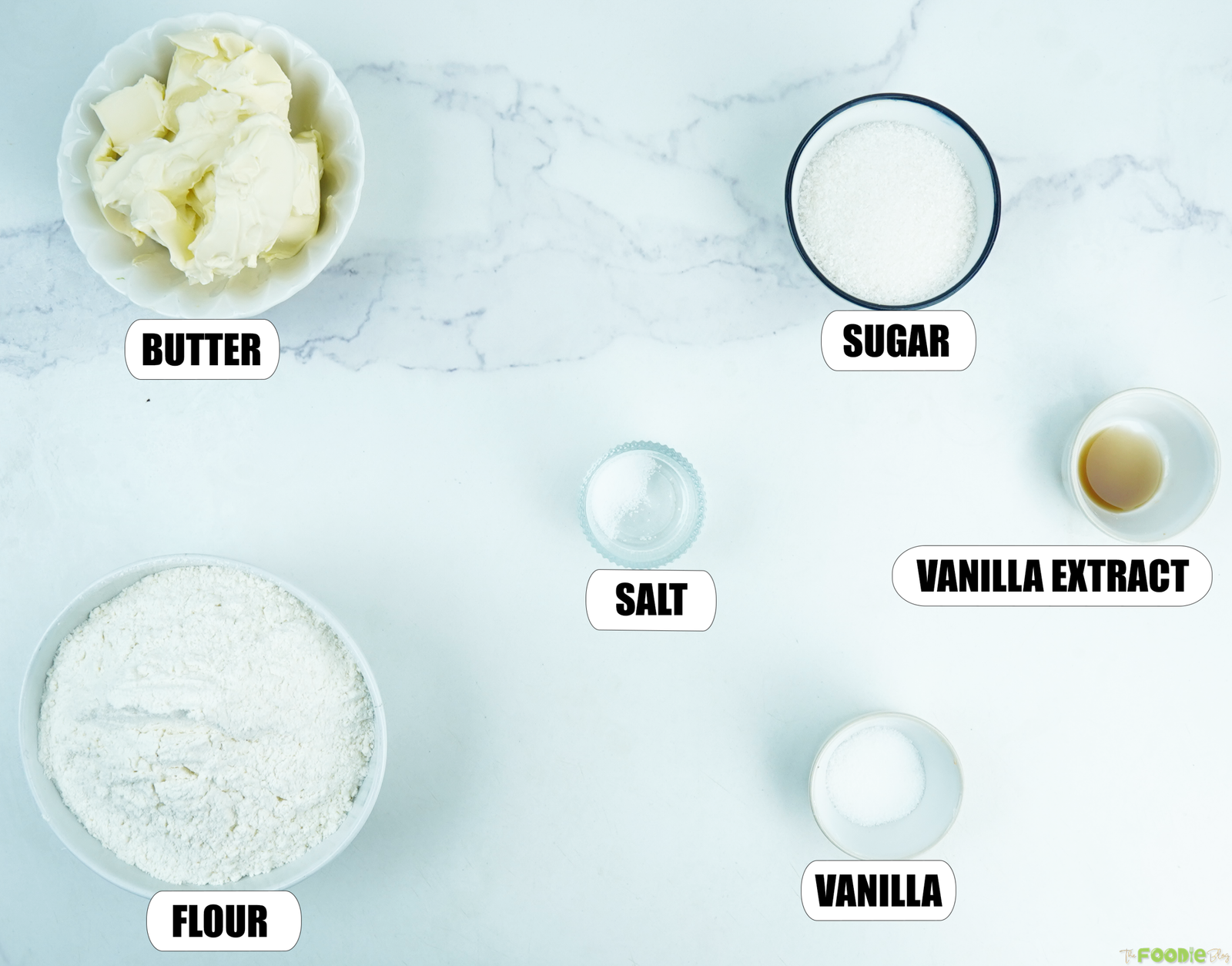
Ingredients
Let’s Make French Sable Cookies
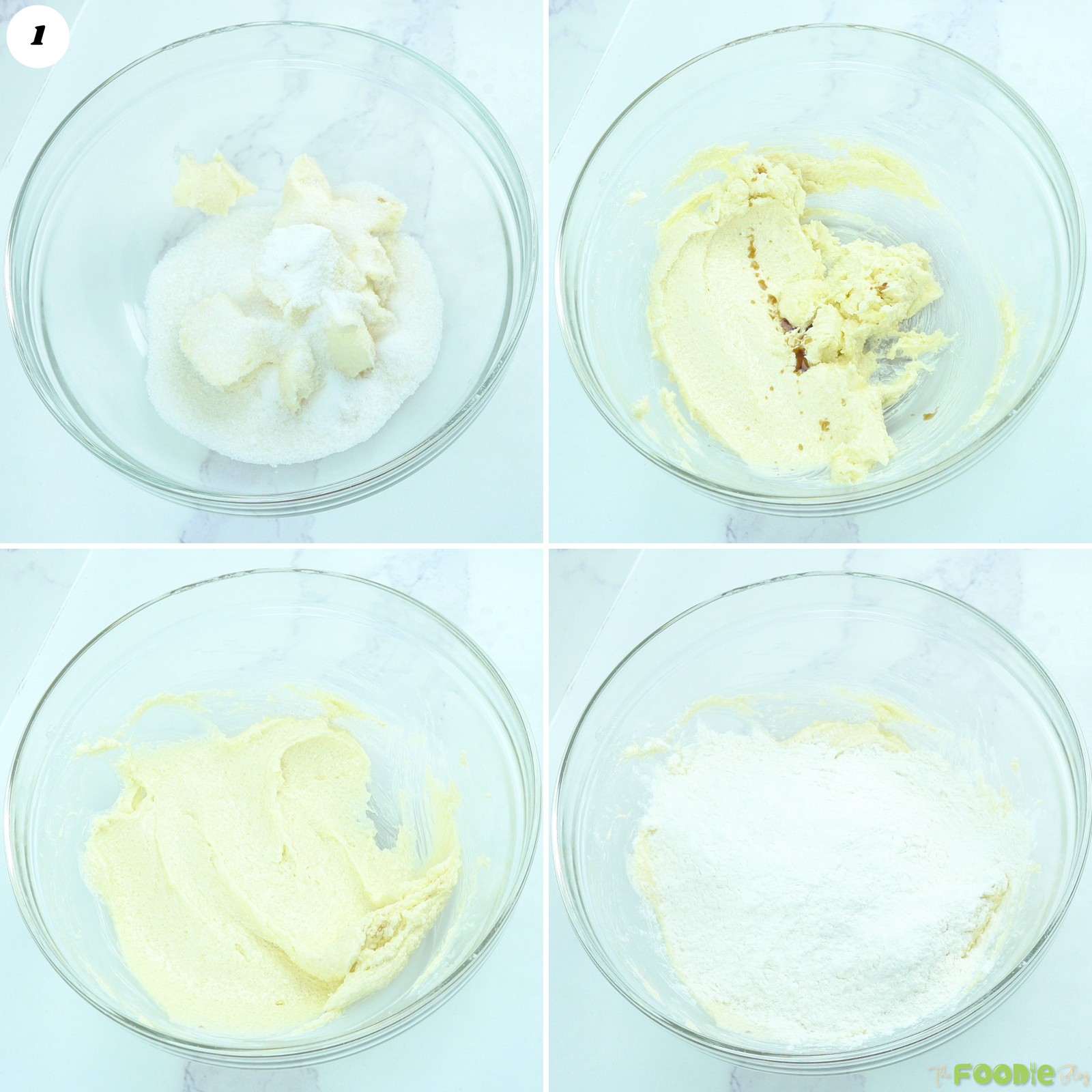
- Cream the Butter and Sugar
Add the 225 g softened butter and 100 g granulated sugar to a large mixing bowl.
Beat until the mixture is smooth, creamy, and slightly lighter in color.
Add the vanilla bean seeds or vanilla powder, 1/4 teaspoon vanilla extract, and 2 g fleur de sel.
Mix again until everything is evenly combined.
- Add the Flour
Add the 320 g all-purpose flour to the butter mixture.
Mix on low speed or fold with a spatula until the dough looks crumbly and begins to clump together.
Do not keep beating once the flour has disappeared.
Use your hands to gently bring the crumbs together into one cohesive dough.
The dough should hold when pressed without feeling wet or sticky.
- Shape the Dough Into a Log
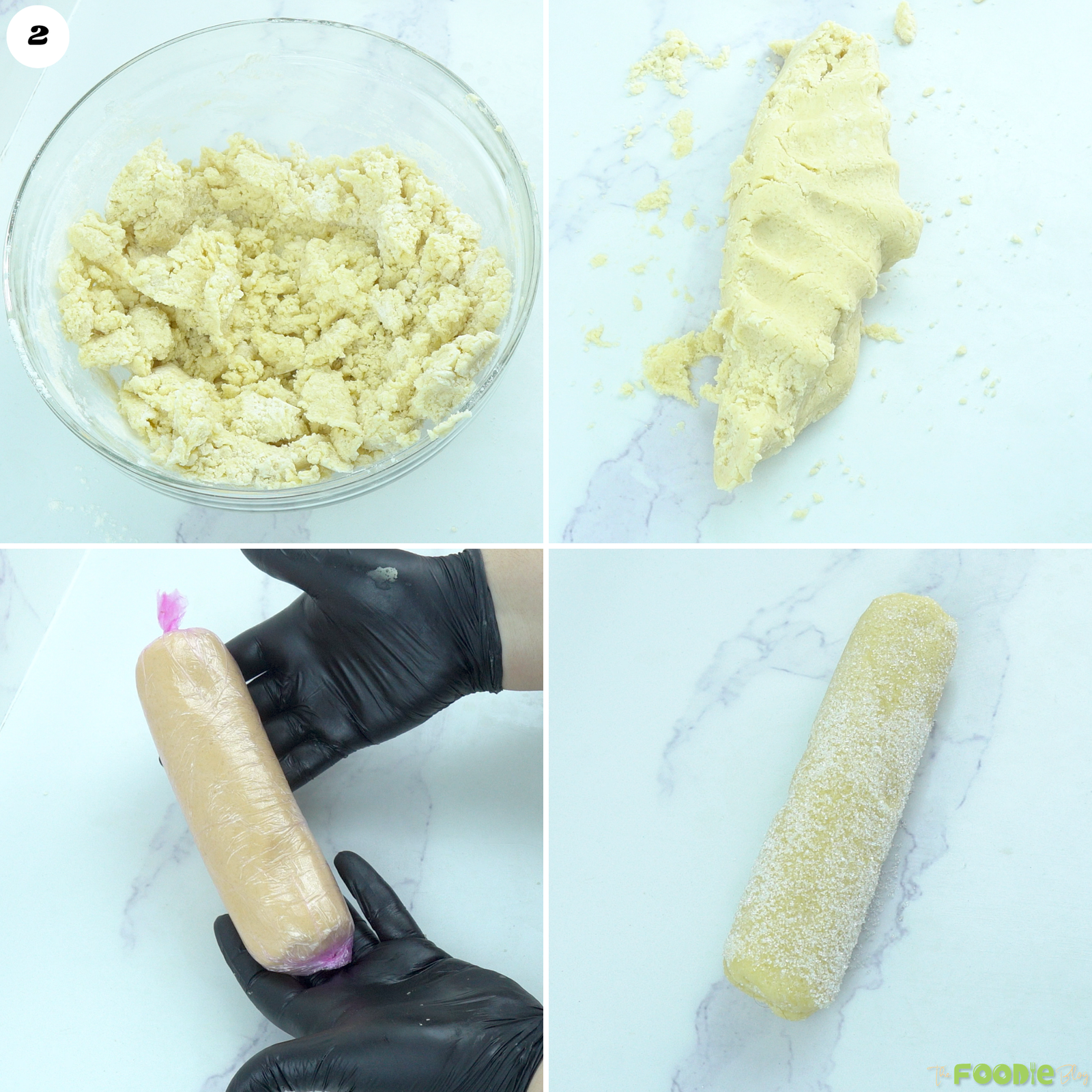
Transfer the dough to a clean work surface.
Gently shape it into an even cylinder about 2 inches (5 cm) thick.
Wrap the log tightly in plastic wrap, rolling it gently on the counter to keep the sides even.
Refrigerate for about 1 hour, or until the dough is firm enough to slice cleanly.
Chilling is useful here because firm butter helps the rounds keep their shape during slicing and baking. King Arthur also notes that chilling cookie dough can affect spread and final texture.
- Coat the Log in Sugar
Preheat the oven to 350°F (175°C).
Line a large baking sheet with parchment paper.
Remove the chilled dough from the refrigerator and unwrap it.
Spread crystal sugar over the work surface, then roll the entire outside of the dough log through the sugar, pressing very gently so the crystals stick.
- Slice the Cookies
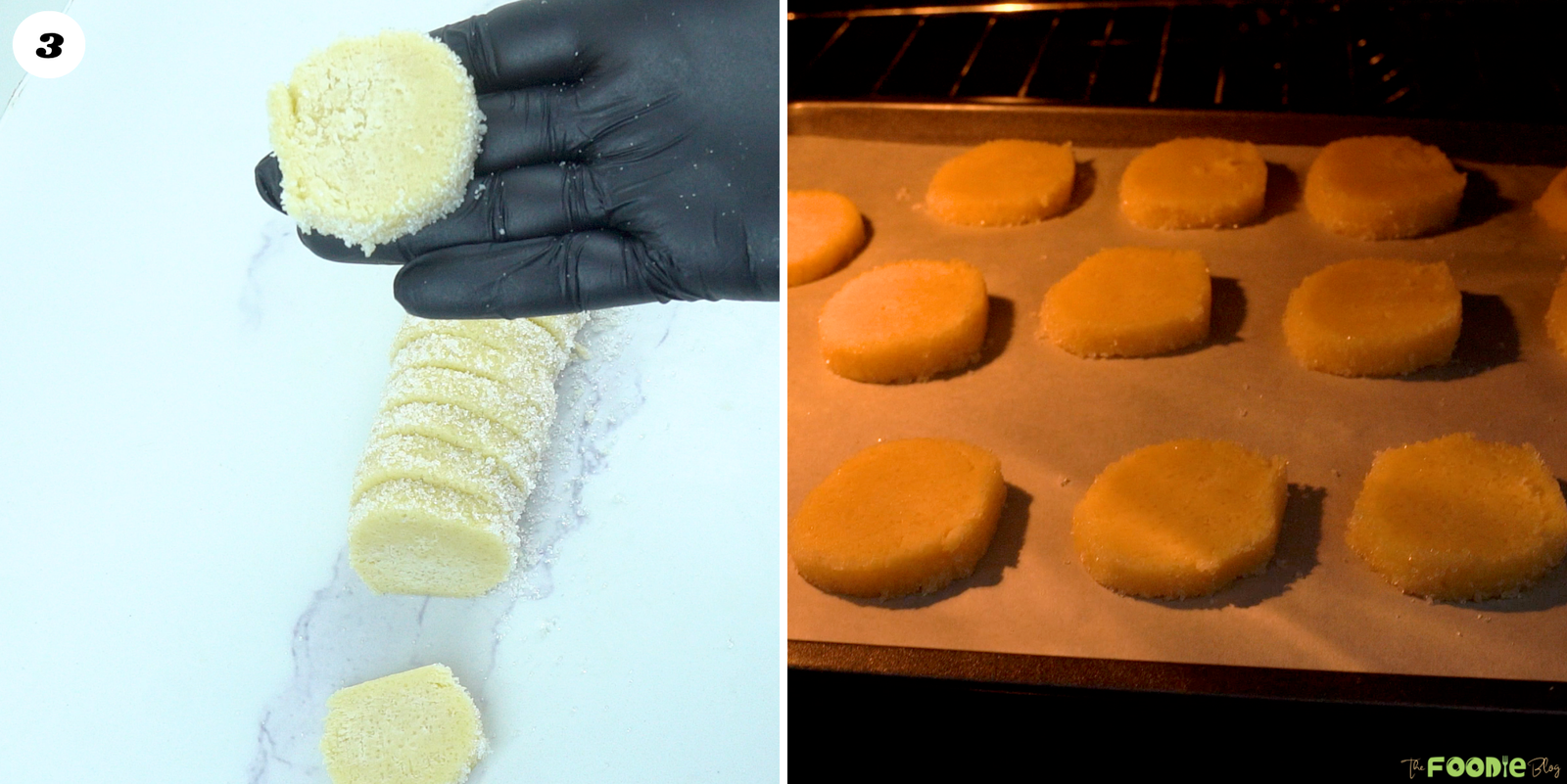
Using a sharp knife, slice the chilled log into rounds about 1/2 inch (1.2 cm) thick.
Try to keep the slices similar in thickness so they bake evenly.
If the log becomes too soft while you’re cutting it, refrigerate it briefly before continuing.
Arrange the rounds on the parchment-lined baking sheet with a little space between each cookie.
- Bake
Bake at 350°F (175°C) for 12–15 minutes.
Look for cookies that are still pale across the tops with lightly golden edges and bottoms.
Don’t wait until the entire cookie is deeply browned. These cookies continue to firm as they cool.
- Cool
Let the cookies rest on the baking sheet for about 5 minutes.
Transfer them carefully to a wire rack and let them cool completely.
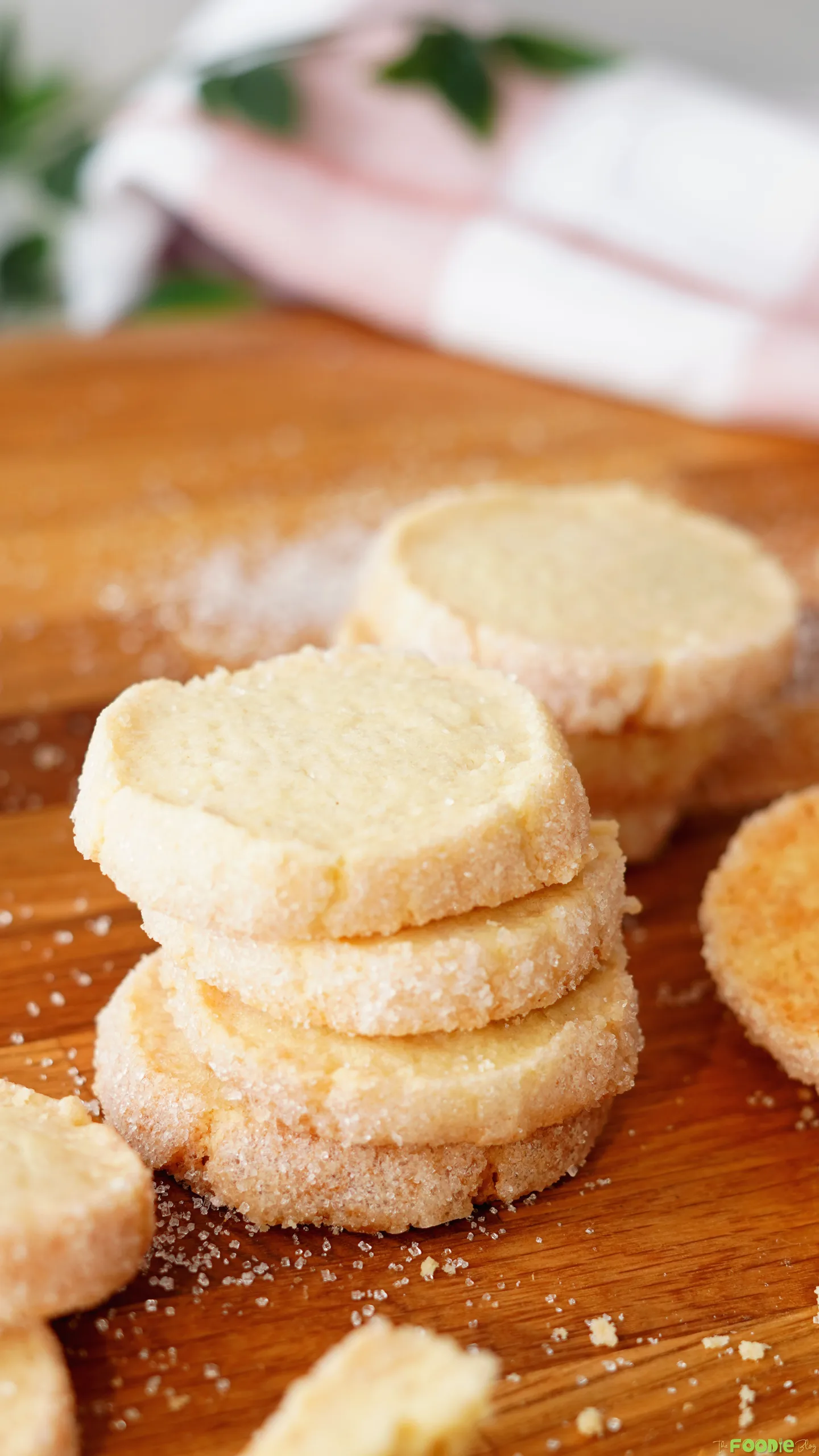
Once cool, the centers become tender and crumbly while the crystal-sugar edges stay slightly crisp.
How to Get That Tender, Sandy Sablé Texture
The texture of these French sable cookies comes mainly from the ratio of butter to flour and from handling the dough gently.
Start with softened—not melted—butter. Melted butter can make the dough greasy and encourage the cookies to spread too much.
Once the flour is added, stop mixing as soon as the dough comes together. Continued mixing develops more gluten, which works against the tender texture we’re looking for.
The chilling step matters too. The shaped log needs to be firm before slicing so the rounds keep their shape instead of flattening before they reach the oven.
Finally, avoid overbaking. The cookies should look pale with lightly golden edges, not dark brown.
Common Mistakes to Avoid
Using melted butter: The dough can become overly soft and greasy.
Over-creaming the butter: Beat until creamy and combined; there’s no need to whip large amounts of air into it.
Overmixing after adding the flour: Stop as soon as the dough comes together.
Skipping the chill: A soft log is difficult to slice and may spread more in the oven.
Making an uneven log: Roll and shape it evenly so the cookies are similar in diameter.
Cutting slices with different thicknesses: Thin pieces may brown before thicker ones are finished.
Forgetting the sugar coating: The crystal sugar creates the distinctive crunchy edge shown in your photos.
Overbaking: Remove the sablés while the centers are still pale and the edges are only lightly golden.
What to Serve With French Sable Cookies
These simple butter cookies work particularly well with:
- Coffee
- Espresso
- Black tea
- Earl Grey tea
- Hot chocolate
- Cold milk
- Fresh berries
- Vanilla ice cream
- Chocolate mousse
I especially like them with coffee because the crisp sugar edge and buttery vanilla flavor stay simple enough to pair with a strong drink.
FAQs
A sablé is a French-style butter cookie known for its tender, crumbly or “sandy” texture.
These cookies use butter, sugar, flour, vanilla, and salt, with crystal sugar around the edges.
They’re closely related because both rely heavily on butter, sugar, and flour, but the exact ratios, shaping, and finishing can differ.
This recipe is shaped into a log, rolled in crystal sugar, and sliced into individual rounds.
The butter may have been too warm or the dough may not have chilled long enough.
Chill the log until firm before slicing and place the rounds into a fully preheated oven.
For these cookies, approximately 1/2 inch (1.2 cm) works well.
The important part is keeping the slices even.
Look at the edges and bottoms.
The cookies should remain fairly pale on top with just light golden color around the edges.
More Recipes To Try
French Sable Cookies
Ingredients
Equipment
Method
- Add the softened butter and granulated sugar to a large bowl. Beat until smooth and creamy.
- Add the vanilla bean seeds or vanilla powder, vanilla extract, and fleur de sel. Mix until combined.
- Add the flour and mix just until a crumbly dough forms.
- Gently press the mixture together with your hands until it forms a cohesive dough.
- Shape the dough into an even log approximately 2 inches (5 cm) thick.
- Wrap tightly in plastic wrap and refrigerate for 1 hour, or until firm.
- Preheat the oven to 350°F (175°C) and line a baking sheet with parchment paper.
- Unwrap the chilled dough and roll the outside in crystal sugar until evenly coated.
- Slice the log into rounds approximately 1/2 inch (1.2 cm) thick.
- Arrange the cookies on the prepared baking sheet, leaving a little space between each one.
- Bake for 12–15 minutes, until the edges and bottoms are lightly golden while the tops remain pale.
- Cool on the baking sheet for 5 minutes, then transfer to a wire rack to cool completely.
Nutrition
Video
Tried this recipe?
Let us know how it was!Estimated reading time: 7 minutes