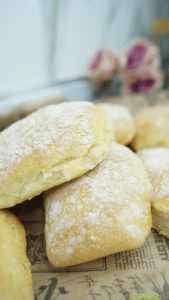
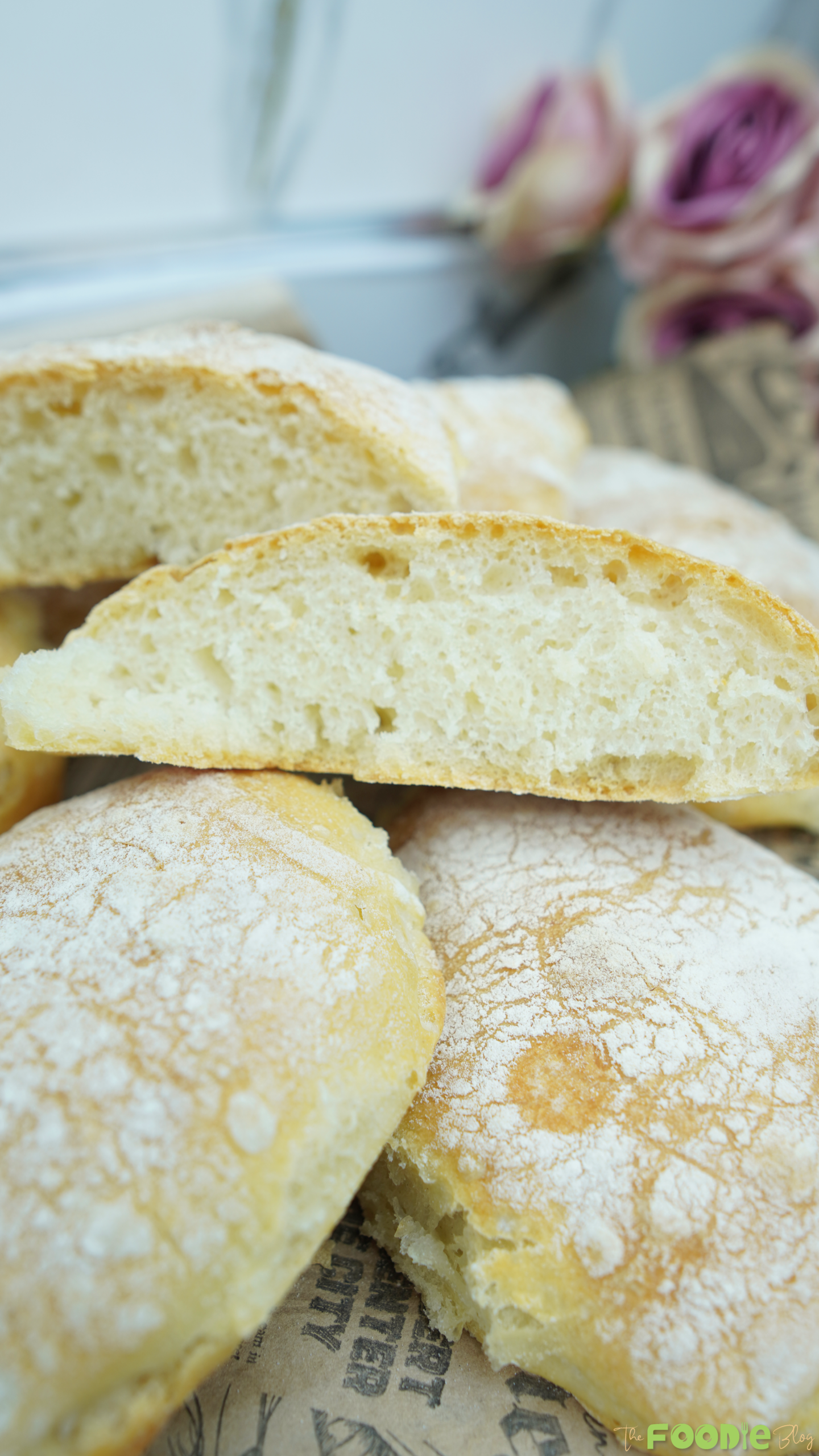
To make EASY CIABATTA RECIPE, mix a high-hydration dough, let it rise until bubbly, then do a few gentle folds and bake hot for a crisp crust and airy center. Keep the dough soft (don’t overflour) and handle it carefully so it stays light.
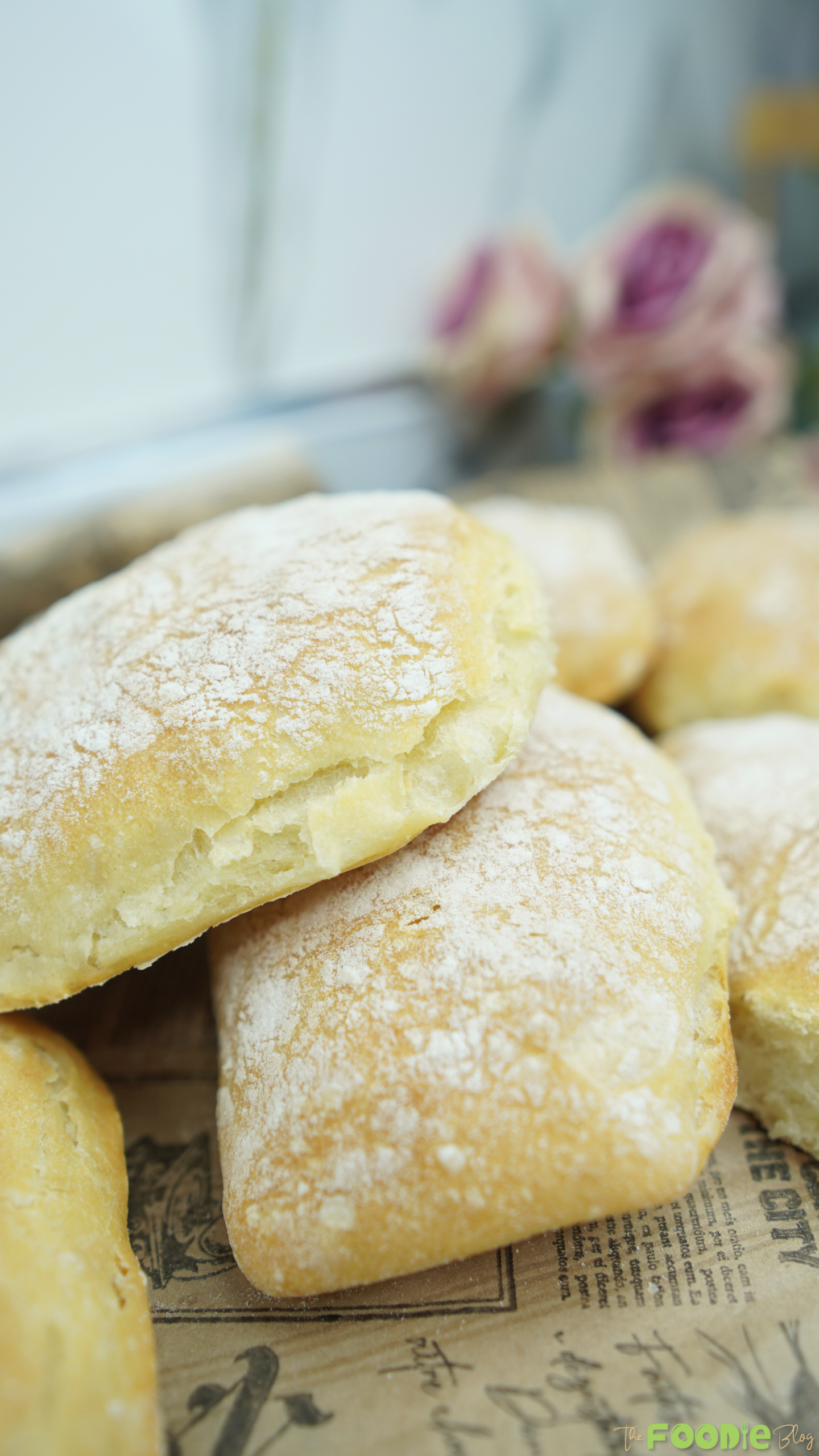
Ciabatta looks like bakery magic, but it’s really about time, water, and a gentle touch. The dough is sticky on purpose, and that’s what creates those beautiful holes inside.
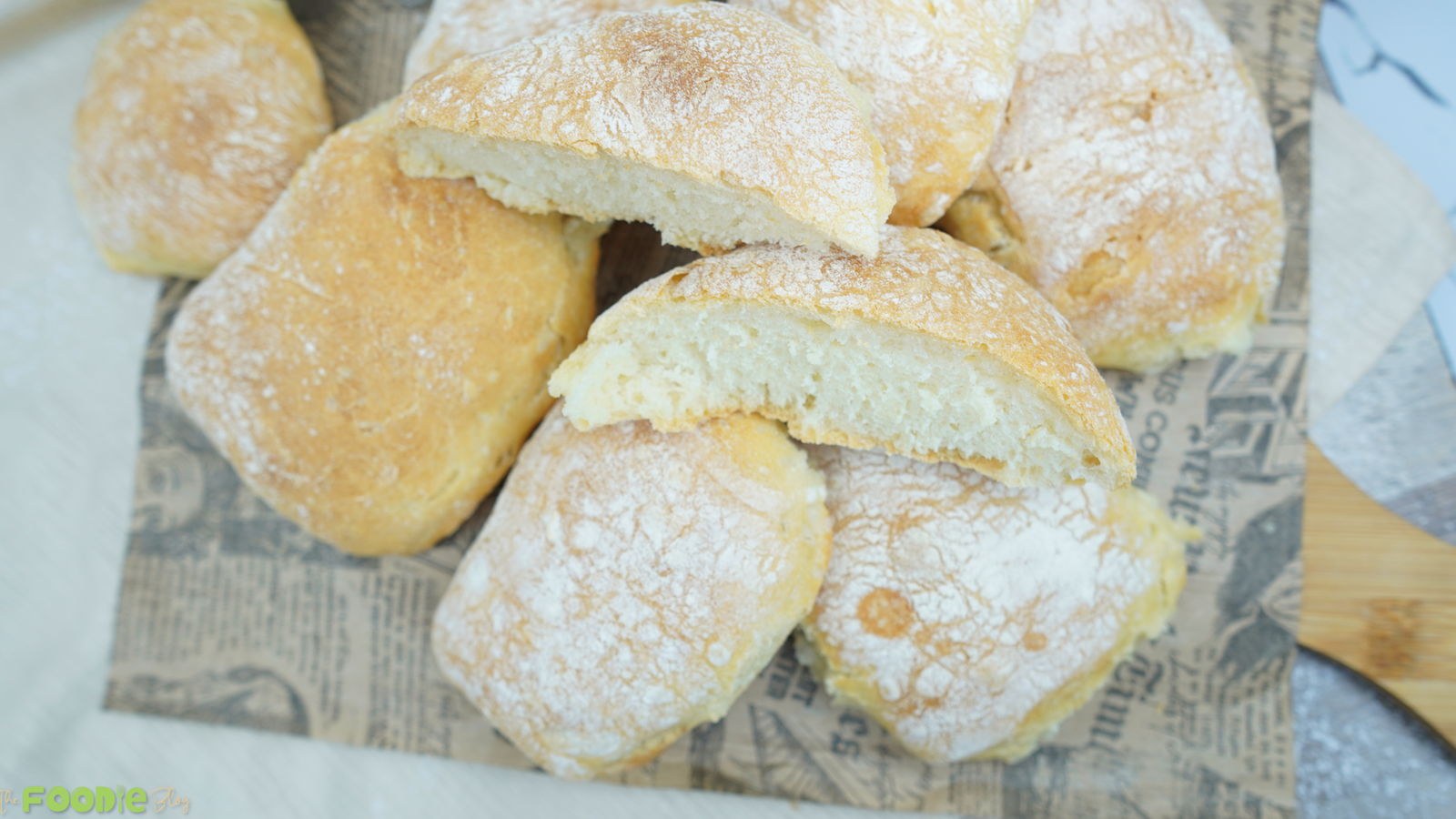
Once you get the rhythm—mix, rest, fold, shape, bake—you’ll have rustic rolls that are incredible for sandwiches, soups, or tearing and dipping in olive oil.
Table of contents
Why You’ll Love This Recipe
- Big airy holes with a soft, chewy interior
- Crisp, golden crust without fancy equipment
- Simple pantry ingredients you already have
- Great for sandwiches, paninis, or dipping
- Freezer-friendly for easy homemade bread anytime
Ingredients
Candy base
Dough
- 4 cups all-purpose flour (500 g)
- 1 1/2 cups + 1 tbsp water, lukewarm (380 ml)
- 2 1/4 tsp instant yeast (7 g)
- 1 3/4 tsp fine salt (10 g)
- 2 tbsp olive oil (30 ml)
- 2 tsp granulated sugar (10 g)
Finish
For shaping
- Extra flour for the counter and your hands

Ingredient Notes & Substitutions
- Flour: All-purpose flour works great here. If you want a slightly chewier roll, swap in up to 1 cup bread flour (keep the rest all-purpose).
- Yeast: Instant yeast is the easiest. If using active dry yeast, use the same amount and mix it into the lukewarm water first to hydrate.
- Water temperature: Aim for warm, not hot—about 100–110°F (38–43°C) so the yeast wakes up without getting stressed.
- Olive oil: Adds flavor and helps tenderness. You can use a neutral oil if needed, but olive oil tastes best.
- Salt: Don’t reduce too much—salt is key for flavor and structure.
How to Make EASY CIABATTA RECIPE
- Mix the liquid base. In a large bowl, combine the lukewarm water, sugar, and instant yeast. Stir to blend.
- Add oil and flour. Add the olive oil, then add the flour and salt. Mix with a spoon until you have a sticky, rough dough with no dry flour pockets.
- First rise.
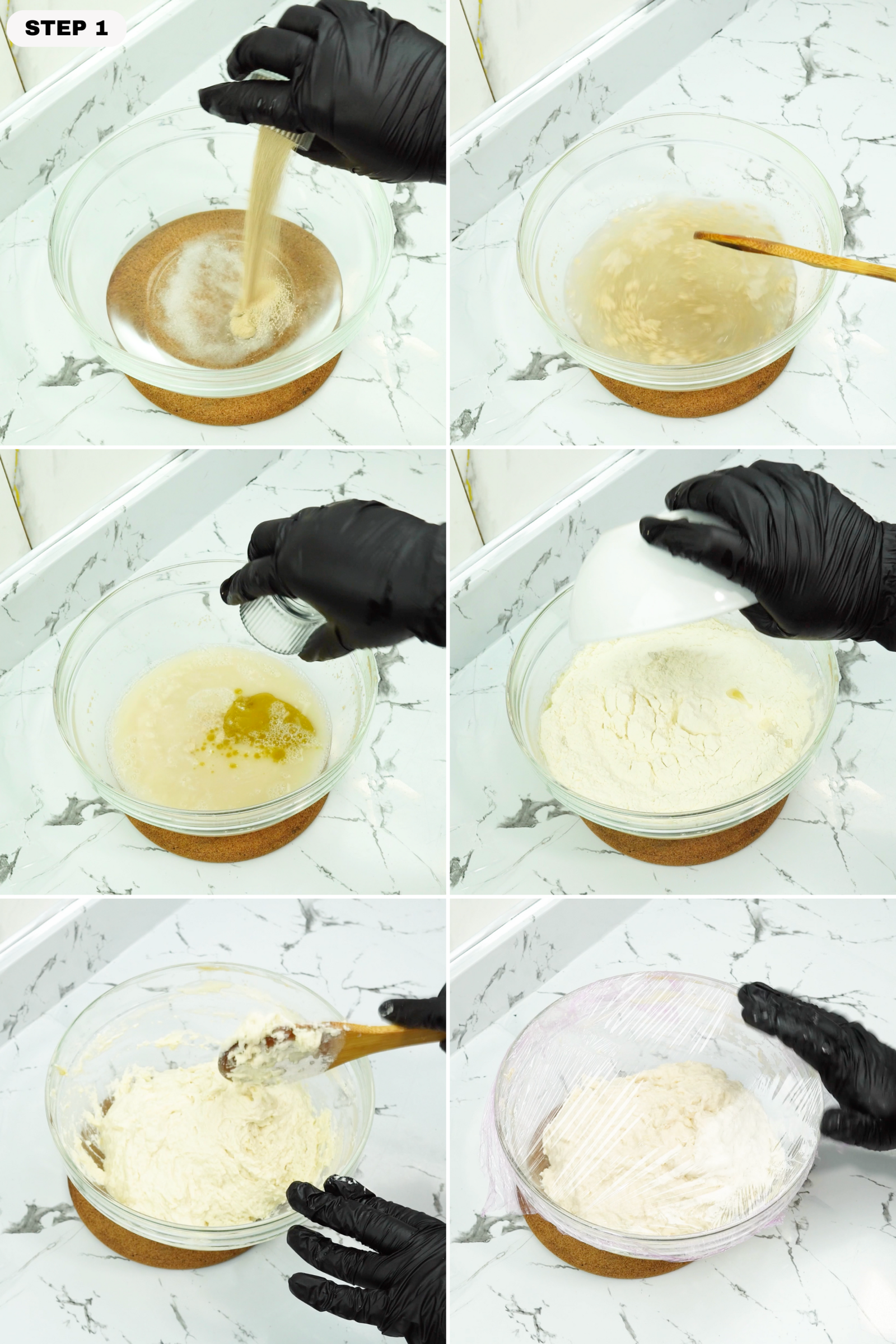
- Cover the bowl again and let the dough rise until puffy and bubbly.
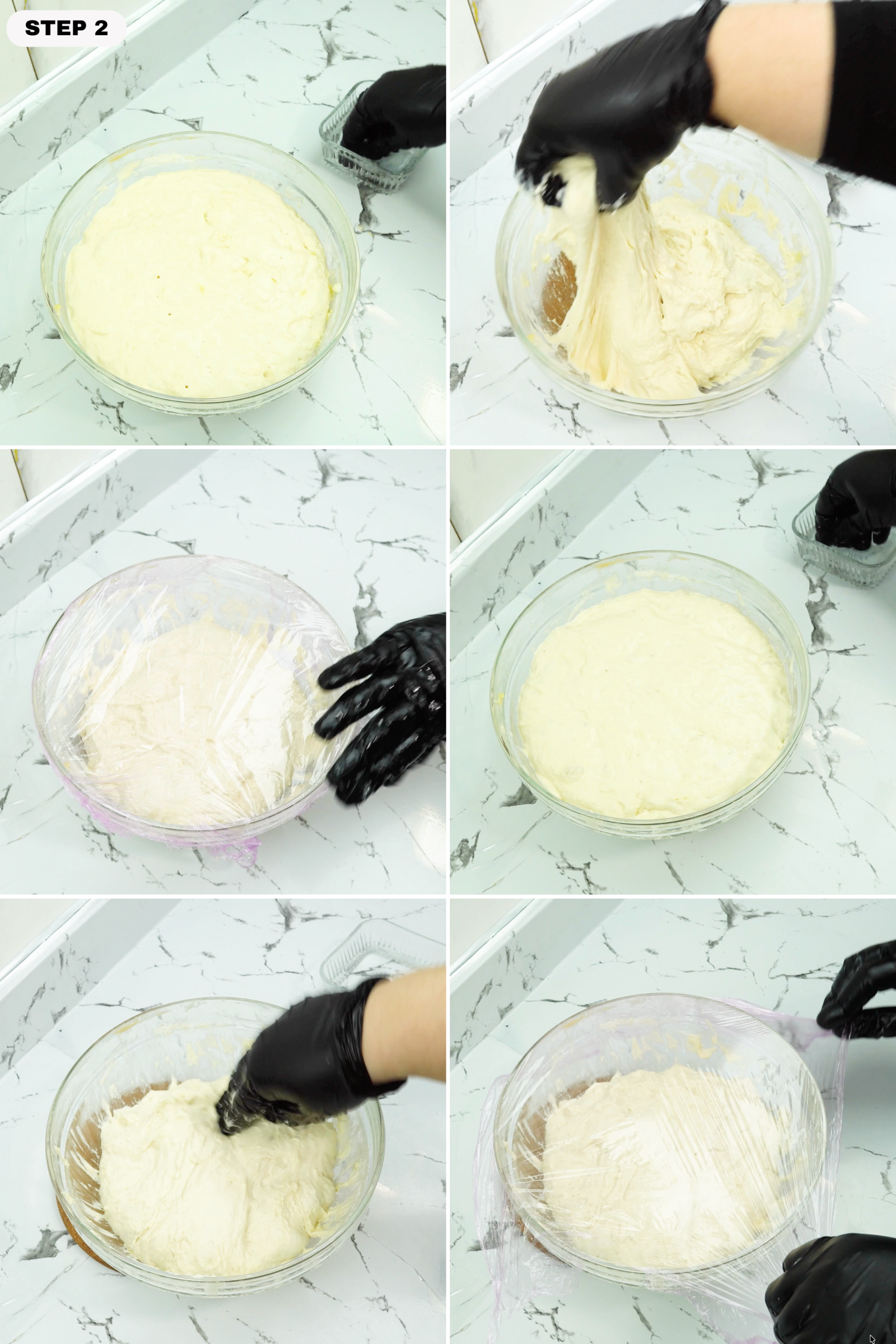
- Stretch the dough out. Lightly flour your counter. Turn the dough out gently—it will be very soft. Dust lightly with flour to prevent sticking.
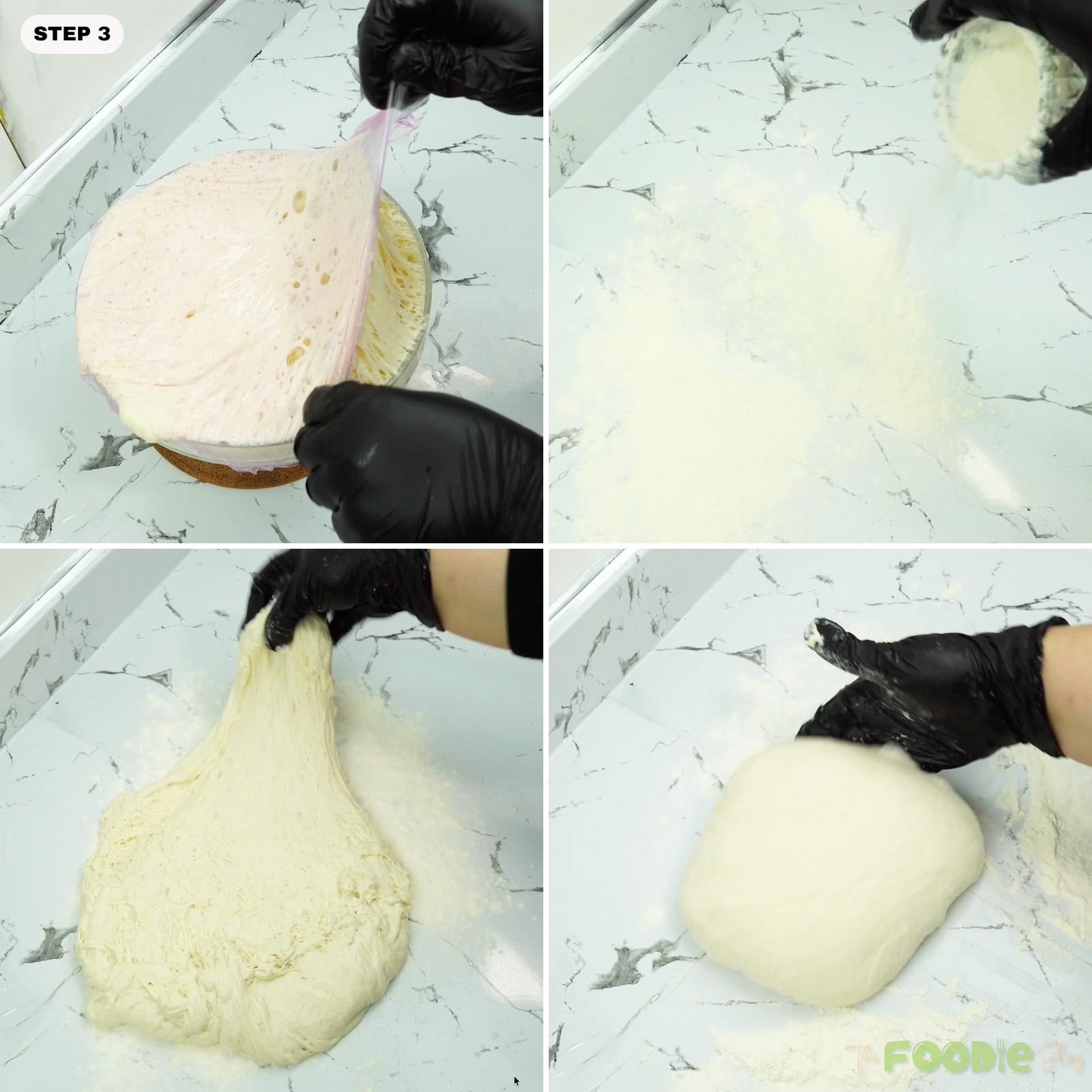
- Fold for structure. Fold the dough (like an envelope) to build strength without kneading. Keep it gentle so you don’t knock out all the air.

- Portion and second rise. Divide into rolls, place on a floured baking sheet, and cover to rise again until noticeably puffy.

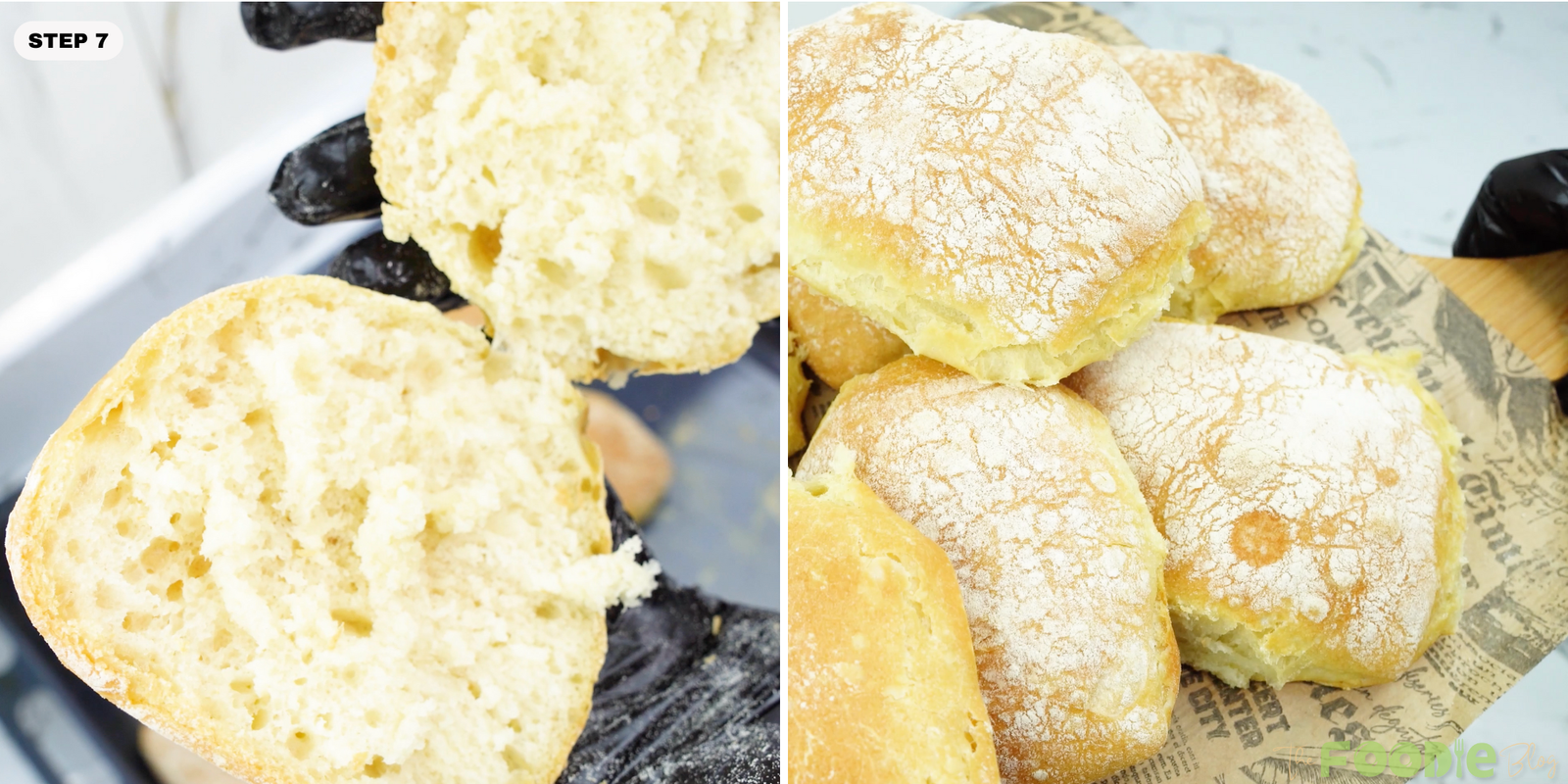
- Bake hot. Bake in a fully preheated oven at 450°F (232°C) until golden and set.
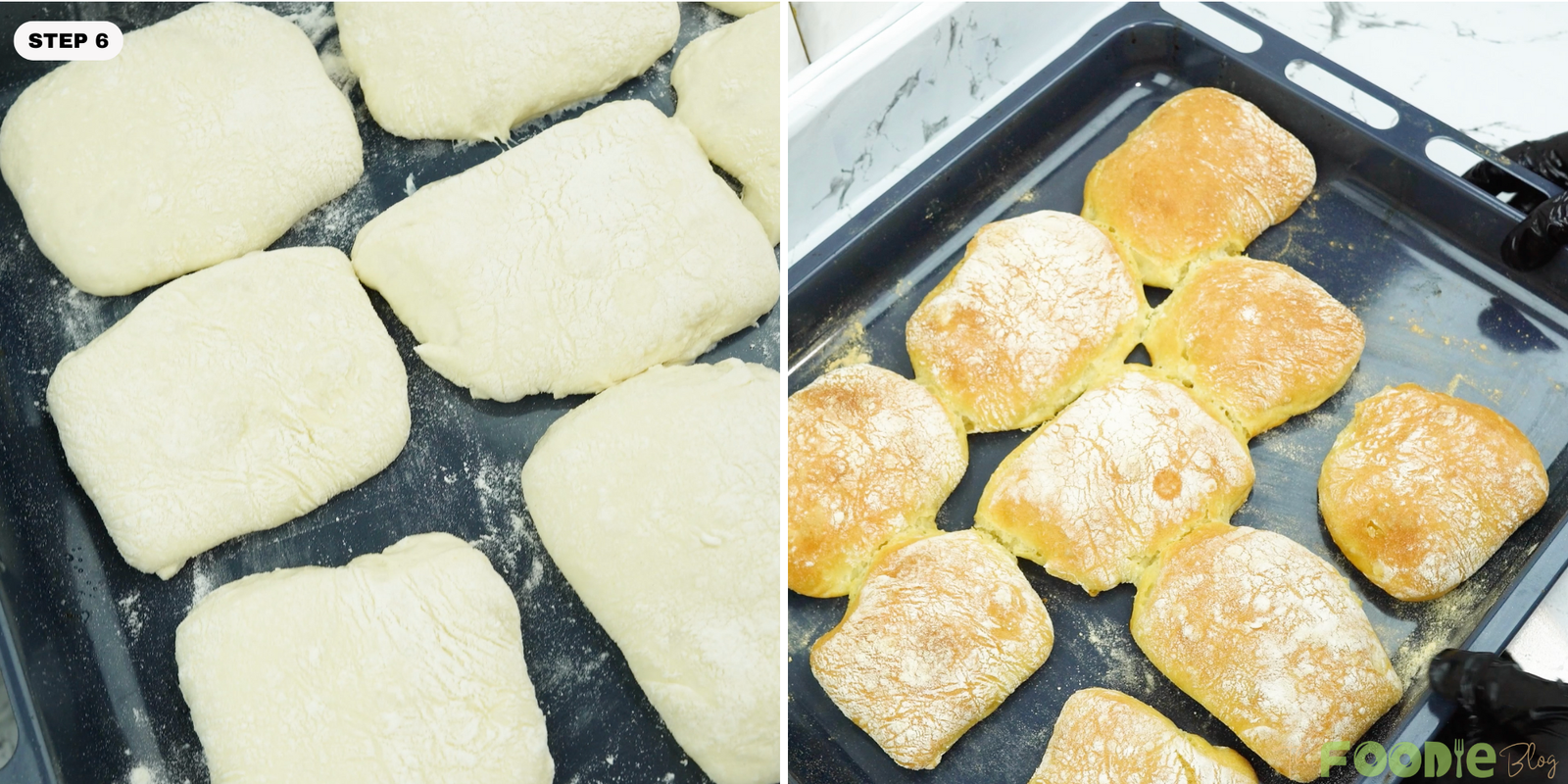
- Cool on a rack before slicing for the best texture.
Expert Tips
- Sticky dough is normal. Use lightly oiled hands or a light dusting of flour instead of adding lots of extra flour to the dough.
- Measure flour carefully. Spoon flour into your measuring cup and level it off so the dough doesn’t end up too stiff.
- Use a large bowl. This dough expands and gets airy—give it room to rise.
- Don’t rush the rise. Look for bubbles and a jiggly, puffy dough, not just “time on the clock.”
- Fold gently. Stretch and fold adds structure while keeping air inside.
- Flour the tray well. Ciabatta loves to stick—dust the pan and the dough surface lightly.
- Bake fully. A deeper golden color means better crust and a less gummy center.
- Cool before cutting. Slicing hot bread compresses the crumb; give it at least 20 minutes.
Storage & Freezing
- Fridge
Store cooled rolls in a bag or airtight container at room temp for 2 days. (Refrigerating can dry bread faster.) - Freezer
Freeze completely cooled rolls in a freezer bag for up to 2 months. - Thawing + reheating
Thaw at room temp, then warm in a 350°F (177°C) oven for 6–10 minutes to refresh the crust.
For a quick option, slice and toast straight from frozen.
Variations
- Garlic herb ciabatta: Mix 1 tsp dried Italian seasoning into the flour, and brush baked rolls with garlic butter.
- Whole wheat blend: Replace 1 cup of the flour with whole wheat flour (add 1–2 tbsp extra water if dough feels tight).
- Sesame topping: Mist the tops lightly with water before baking and sprinkle with sesame seeds.
- Sandwich rolls: Shape into slightly longer rectangles for subs.
- Mini ciabatta: Divide into smaller rolls and reduce bake time a few minutes (watch color).
EASY CIABATTA RECIPE
Ingredients
Equipment
Method
- In a large bowl, combine the lukewarm water, sugar, and instant yeast. Stir to blend.
- Stir in the olive oil. Add the flour and salt, then mix until a sticky dough forms and no dry flour remains.
- Cover and let rise until puffy and bubbly.
- Lightly flour the counter and gently turn out the dough. Dust lightly with flour to prevent sticking.
- Fold the dough over itself to build structure, handling gently to keep air in the dough.
- Divide into rolls, place on a floured baking sheet, cover, and let rise again until noticeably puffy.
- Bake in a fully preheated 450°F (232°C) oven until golden and set. Cool on a rack before slicing.
Nutrition
Video
Notes
- Keep the dough sticky; avoid adding lots of extra flour or the rolls can turn dense.
- If using active dry yeast, use the same amount and hydrate it in the warm water first.
- For extra chew, swap in up to 1 cup bread flour (keep the rest all-purpose).
- Cool at least 20 minutes before slicing so the crumb sets.
Tried this recipe?
Let us know how it was!FAQs
It’s a high-hydration dough—more water creates a lighter crumb and those signature holes.
You don’t need traditional kneading. Gentle folds build strength without making the bread dense.
It should look puffy, jiggly, and bubbly on the surface. When you tip the bowl, it should feel airy.
Yes. After the first rise, cover tightly and refrigerate overnight. Let it come back toward room temp, then fold, shape, and proof.
Most often: too much added flour, not enough rise time, or handling the dough too roughly during shaping.
More Recipes You Will Like :
Estimated reading time: 7 minutes