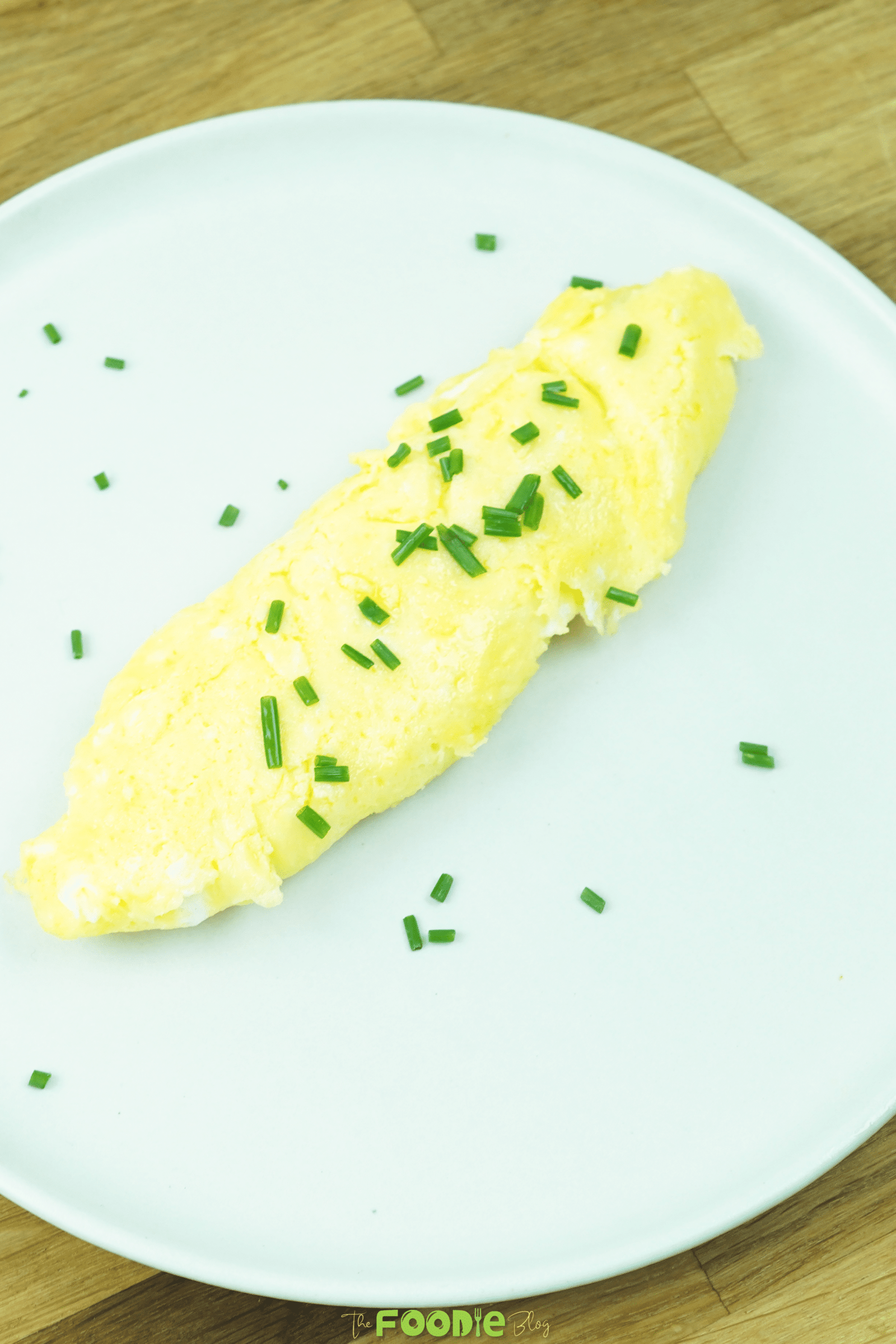
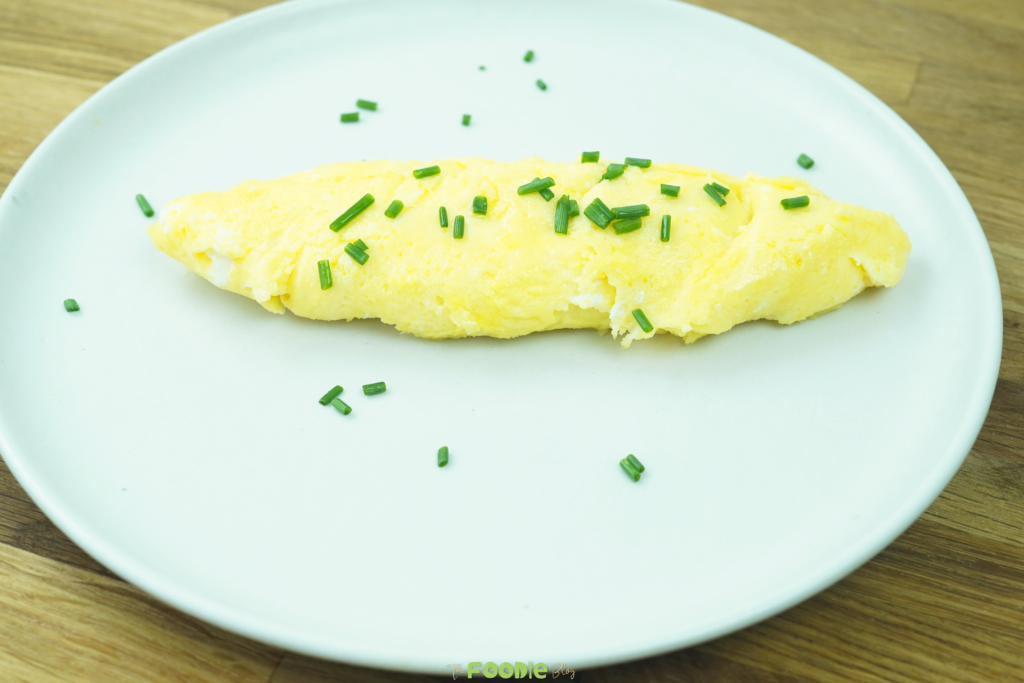
French Omelette is a soft, delicate omelet made with eggs, butter, salt, and pepper, then finished with a sprinkle of fresh chives. It cooks quickly in a skillet and stays tender inside, with a smooth outside and a light buttery flavor.
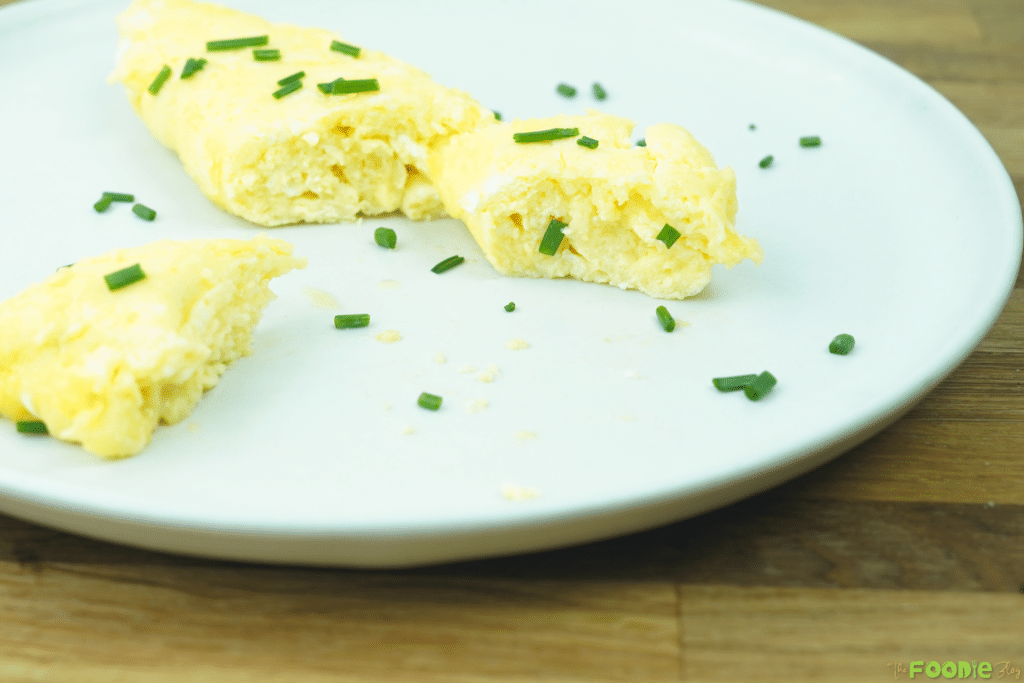
This classic omelet is all about technique and timing. The eggs are gently stirred as they cook, then rolled into a neat shape while the center stays soft and creamy.
It is simple, elegant, and surprisingly satisfying for something made with just a few ingredients. Serve it for breakfast, brunch, or a light lunch when you want something warm, fast, and comforting.
Table of contents
Why You’ll Love This Recipe
- Made with only a few basic ingredients
- Soft, tender, and buttery with a delicate texture
- Cooks in minutes
- Great for breakfast, brunch, or a light meal
- Easy to dress up with herbs, cheese, or fillings later
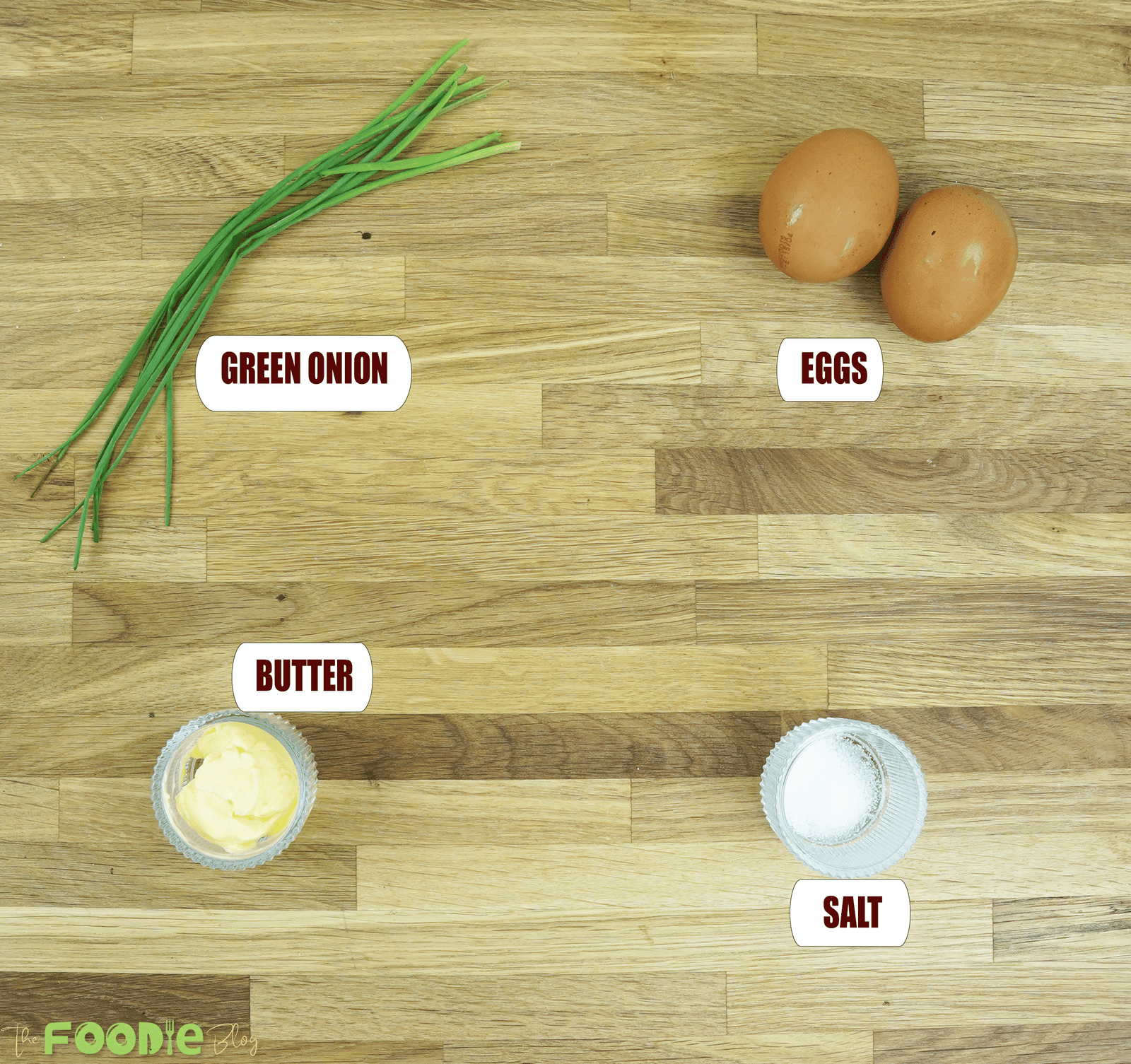
Ingredients
For the omelette
- 2 large eggs
- 1 tablespoon butter (15 g)
- Salt, to taste
- Black pepper, to taste
For garnish
- Chives, chopped
Ingredient Notes & Substitutions
- Eggs: Use fresh large eggs for the best texture and color.
- Butter: Butter is important here because it adds flavor and helps create the soft, classic finish. Unsalted butter is ideal if you want more control over seasoning.
- Salt and pepper: Keep the seasoning light so the eggs stay the focus.
- Chives: Fresh chives add a mild onion flavor and a clean finish. You can swap them with finely chopped green onion tops or parsley if needed.
- Pan choice: A nonstick skillet makes it much easier to shape and roll the omelette smoothly.
How to Make French Omelette
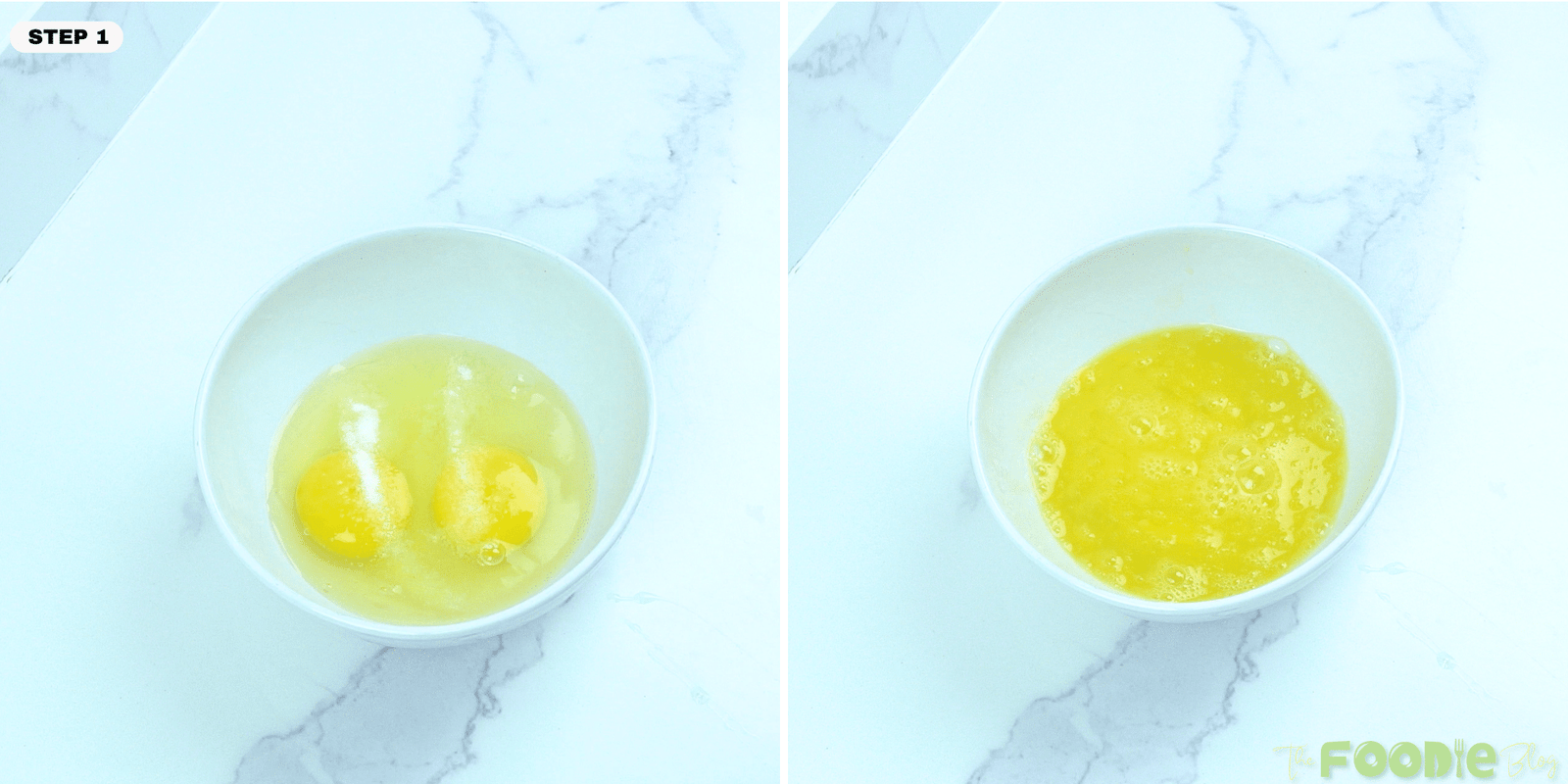
- Crack the eggs into a bowl. Add a pinch of salt and black pepper, then whisk until the yolks and whites are fully combined.
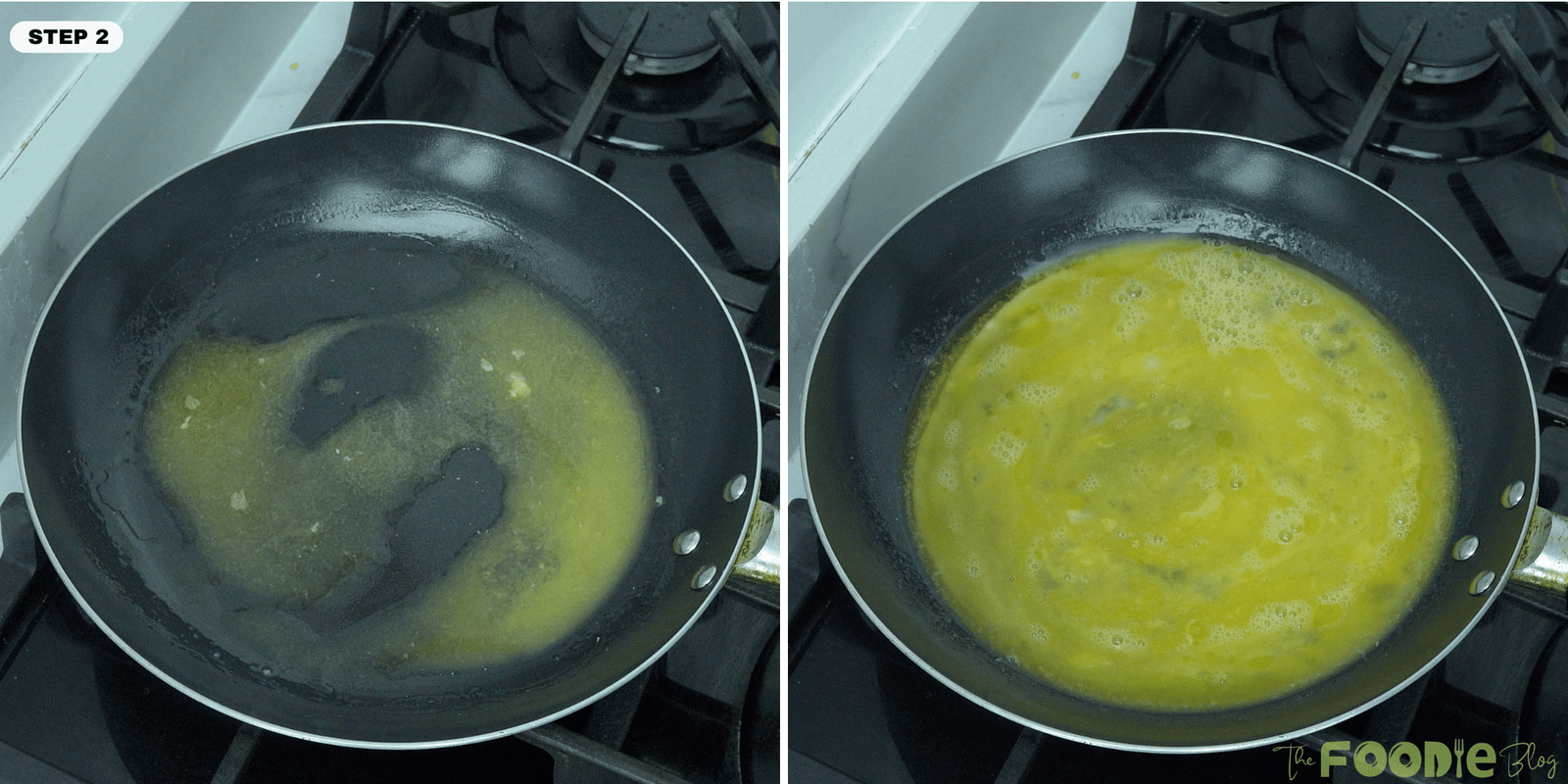
- Heat a nonstick skillet over medium-low heat and add the butter. Swirl the pan as the butter melts and lightly coats the surface.
- Pour in the eggs. Let them sit for a few seconds, then gently stir and shake the pan as the eggs begin to set.
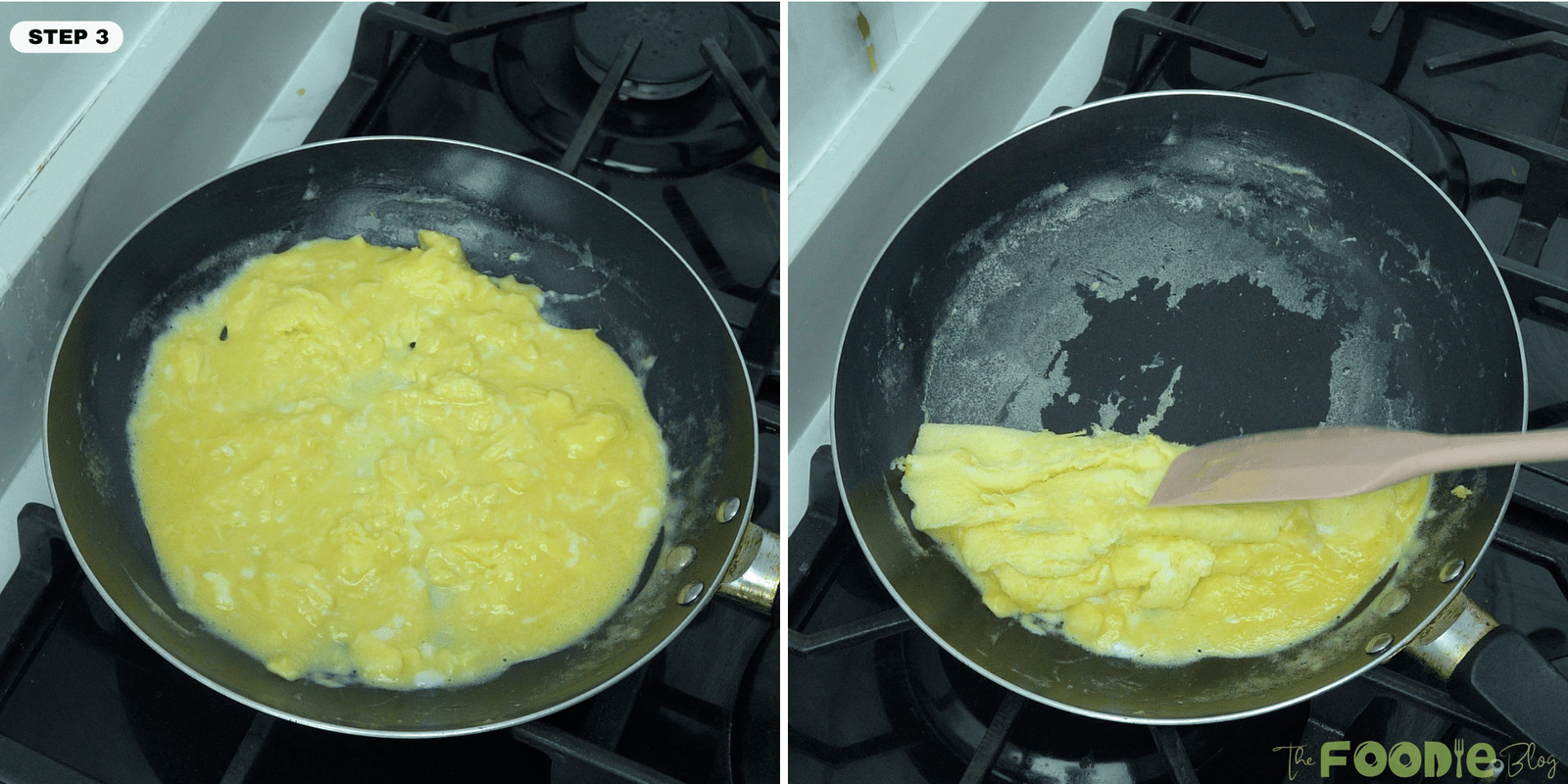
- Continue moving the eggs gently so small soft curds form while the surface still looks slightly glossy.
- Once the eggs are mostly set but still soft on top, stop stirring and smooth the omelette into an even layer.
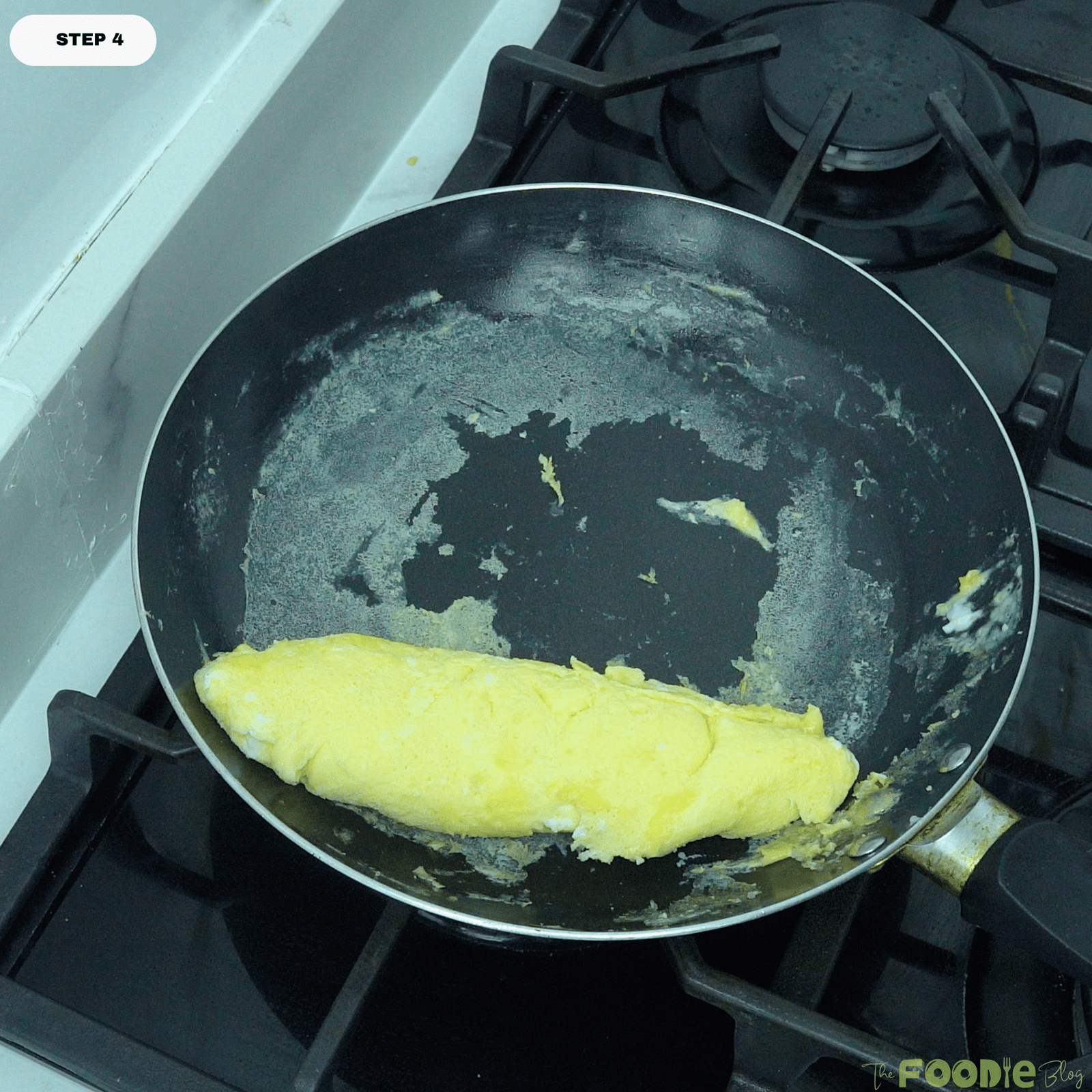
- Tilt the pan and use a spatula to fold and roll the omelette into a neat log shape.
- Let the omelette finish gently for a few seconds, then slide it onto a plate with the seam underneath.
- Garnish with chopped chives and serve right away.
Expert Tips
- Whisk the eggs well so the mixture is fully smooth before it hits the pan.
- Use medium-low heat to keep the eggs tender and prevent browning.
- Do not walk away from the pan. French omelettes cook fast.
- Stir gently at the start to form very small curds.
- Stop cooking while the omelette still looks a little soft inside for the best texture.
- A nonstick skillet and flexible spatula make shaping much easier.
- Butter the pan well so the omelette slides and rolls cleanly.
- Serve immediately for the softest, creamiest center.
Storage & Freezing
- French Omelette is best eaten fresh, right after cooking.
- If you have leftovers, store them in an airtight container in the refrigerator for up to 1 day.
- Reheat gently in a skillet over low heat or in short bursts in the microwave. The texture will be firmer after reheating.
- Freezing is not recommended because the eggs lose their soft, delicate texture.
Variations
- Add shredded cheese for a richer center
- Fold in sautéed mushrooms or spinach
- Finish with herbs like parsley, dill, or tarragon
- Add a spoonful of cream before whisking for an even softer texture
- Serve with toast and a side salad for a light meal
French Omelette
Ingredients
Equipment
Method
- Crack the eggs into a bowl. Add salt and black pepper, then whisk until completely smooth.
- Heat a small nonstick skillet over medium-low heat and melt the butter, swirling to coat the pan.
- Pour in the eggs and let them sit briefly, then gently stir and shake the pan as the eggs begin to set.
- Keep stirring gently until small soft curds form and the eggs are mostly set but still slightly glossy on top.
- Smooth the eggs into an even layer.
- Tilt the pan and use a spatula to fold and roll the omelette into a neat log shape.
- Let it sit for a few seconds to finish gently, then slide it onto a plate seam-side down.
- Garnish with chopped chives and serve immediately.
Nutrition
Video
Notes
- Use fresh eggs for the best texture and color.
- Keep the heat medium-low so the eggs stay tender and do not brown.
- A nonstick skillet makes shaping much easier.
- Stop cooking while the inside is still slightly soft for a classic French omelette texture.
- Chives are a simple garnish, but parsley or green onion tops also work.
- For a richer version, add a little shredded cheese or a small spoonful of cream.
Tried this recipe?
Let us know how it was!FAQs
A French omelette is a soft, tender omelet cooked gently and rolled into a smooth shape rather than browned and folded like a diner-style omelet.
No. A classic French omelette is usually pale on the outside with little to no browning.
Cook it over medium-low heat and remove it from the pan while the center is still slightly soft.
You can, but a traditional French omelette usually relies on eggs and butter for its texture without milk.
A small nonstick skillet is the easiest option because it helps the eggs release and roll smoothly.
Yes. You can scale it up, but a 2-egg omelette is easy to shape and gives a classic size for one serving.
Key Takeaways
- French Omelette is a soft and delicate dish made with eggs, butter, salt, and pepper, finished with chives.
- This omelette cooks quickly and emphasizes technique, resulting in a creamy center and a smooth exterior.
- It’s easy to prepare with just a few ingredients, making it perfect for breakfast or brunch.
- You can personalize it with herbs, cheese, or additional fillings for variety.
- Serve immediately for the best texture, as it loses softness if stored or reheated.
More Recipes You Will Like :
Estimated reading time: 6 minutes